
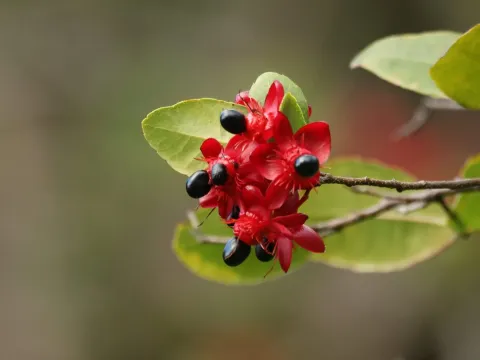
Ochna
Ochna
Propagation of Ochna in cultivation is most commonly carried out via seeds or cuttings. Ochna seeds lose viability quickly, so it is highly recommended to sow them immediately after harvesting, having cleaned them from the fruit pulp.
What the section contains
 Ochna afzelii
Ochna afzelii
Ochna afzelii
 Ochna arborea
Ochna arborea
Ochna arborea
 Ochna atropurpurea
Ochna atropurpurea
Ochna atropurpurea
 Ochna barbosae
Ochna bracteosa
Ochna bracteosa
Ochna calodendron
Ochna calodendron
Ochna barbosae
Ochna barbosae
Ochna bracteosa
Ochna bracteosa
Ochna calodendron
Ochna calodendron
 Ochna gambleoides
Ochna gambleoides
Ochna gambleoides
 Ochna holstii
Ochna holstii
Ochna holstii
 Ochna inermis
Ochna inermis
Ochna inermis
 Ochna integerrima
Ochna integerrima
Ochna integerrima
 Ochna jabotapita
Ochna jabotapita
Ochna jabotapita
 Ochna kirkii
Ochna kirkii
Ochna kirkii
 Ochna lanceolata
Ochna lanceolata
Ochna lanceolata
 Ochna membranacea
Ochna monantha
Ochna monantha
Ochna membranacea
Ochna membranacea
Ochna monantha
Ochna monantha
 Ochna natalitia
Ochna O'Connor
Ochna oconnorii
Ochna natalitia
Ochna natalitia
Ochna O'Connor
Ochna oconnorii
 Ochna obtusata
Ochna obtusata
Ochna obtusata
 Ochna puberula
Ochna puberula
Ochna puberula
 Ochna pulchra
Ochna pulchra
Ochna pulchra
 Ochna pumila
Ochna rhizomatosa
Ochna rhizomatosa
Ochna pumila
Ochna pumila
Ochna rhizomatosa
Ochna rhizomatosa
 Ochna schweinfurthiana
Ochna schweinfurthiana
Ochna schweinfurthiana
 Ochna serrulata
Ochna serrulata
Ochna serrulata
Ochna
Use a light, well-draining substrate with a neutral or slightly acidic pH level for sowing. The optimal temperature for seed germination is between 22 and 25 degrees Celsius, maintained alongside stable moisture levels.
In commercial or ornamental nurseries, sowing is performed in trays or individual pots, ensuring the seeds are protected from direct sunlight during the initial stage of sprouting.
Cutting propagation is typically performed at the end of the vegetation period, using semi-hardwood shoots. The application of rooting hormones significantly increases the success rate of young plant establishment.
Transplanting seedlings into open soil or larger containers should only occur after the root system has fully developed, which usually takes about 6 to 8 months after initial rooting.
As a member of tropical flora, Ochna is highly sensitive to temperature fluctuations. The plant cannot tolerate frost and requires year-round warm conditions, with temperatures never dropping below 15 degrees Celsius.
The culture thrives in bright, indirect light, which is essential for developing a full crown and ensuring abundant flowering. Direct sunlight is only acceptable during the early morning or late evening hours to prevent leaf scorch.
Soil requirements are focused on providing excellent drainage. Water stagnation at the roots is fatal for Ochna, therefore sand, perlite, or expanded clay must be added to the soil mix to improve aeration.
Irrigation should be regular but moderate, allowing the top layer of the soil to dry out between waterings. During the dormant period, if triggered by shorter daylight hours, irrigation should be kept to a minimum.
Ochna responds well to increased air humidity, which is particularly critical in indoor environments with active heating systems. Occasional misting of the foliage with soft, settled water is highly recommended.
In indoor or greenhouse conditions, Ochna is most frequently attacked by pests such as spider mites and scale insects. These pests feed on cell sap, leading to leaf deformation and a loss of overall aesthetic appeal.
Mealybugs can also pose a serious threat, settling in leaf axils and on young shoots. Their presence is usually identifiable by a characteristic cotton-like, white waxy substance on the plant stems and leaves.
Overwatering or poor drainage often leads to the development of root rot. This fungal disease is difficult to diagnose in early stages because the damage occurs primarily below the soil line.
Leaf spot diseases caused by fungi often occur when air circulation is poor and humidity levels are too high. Affected foliage must be removed promptly to prevent the spread of the infection to healthy parts of the plant.
- Regular inspection of the underside of leaves for pests.
- Timely application of insecticides and acaricides.
- Maintaining optimal humidity levels and ensuring high-quality ventilation.