
Ochna integerrima
Ochna integerrima
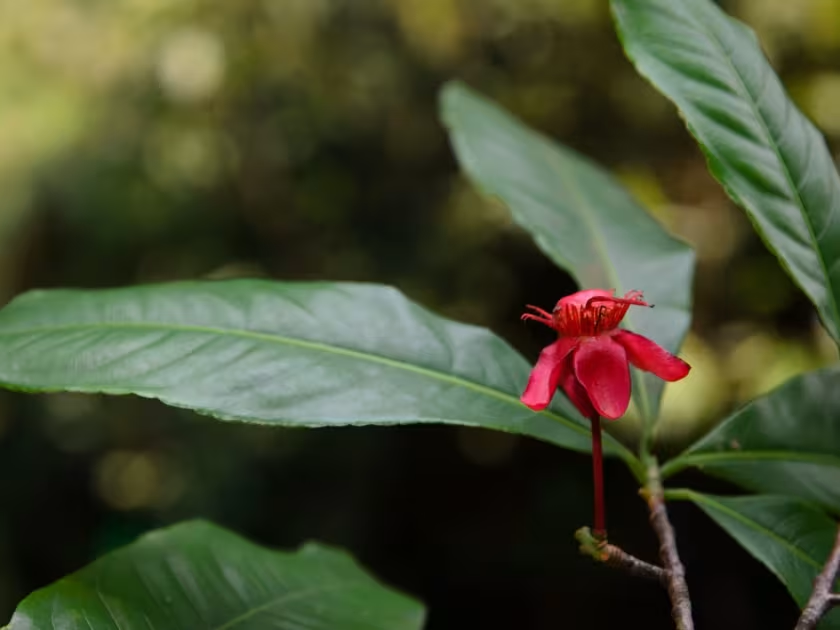
Description
Growing requirements
Ochna integerrima, commonly known as yellow ochna, is a member of the Ochnaceae family. It is a slow-growing, evergreen or semi-deciduous shrub or small tree that can reach several meters in height under favorable conditions.
This species is native to Southeast Asia, specifically across Vietnam, Laos, and Thailand. It is well-adapted to tropical climates with distinct wet and dry seasons, which trigger its characteristic blooming cycle.
Optimal growth requires well-draining, nutrient-rich soil that is slightly acidic to neutral. Waterlogging must be strictly avoided, as it leads to root rot and eventual death of the plant specimen.
The plant thrives in warm tropical conditions, ideally between 22 and 30 degrees Celsius. It does not tolerate frost and requires a controlled environment if kept in non-tropical zones, usually in greenhouses or conservatories.
Bright, indirect light is essential for the healthy development of Ochna integerrima. While it enjoys the sun, excessive heat in direct midday exposure can scorch the foliage and hinder flower production.
Main diseases and pests
The main pests affecting Ochna integerrima include spider mites and scale insects. These pests often colonize the underside of leaves, especially in environments with poor air circulation and low humidity.
Root pathogens are the most common diseases, frequently caused by over-irrigation. Symptoms include yellowing leaves and a lack of turgor pressure, signaling the onset of root deterioration.
Integrated pest management is recommended to keep the plant healthy. This involves physical removal of scales and the use of targeted acaricides or insecticidal soaps to manage mite populations effectively.
Preventative care against fungi includes ensuring proper drainage and avoiding wetting the foliage during late-evening watering, which reduces the duration of moisture presence on leaf surfaces.
Early identification of signs is paramount. If the plant shows growth stagnation or unusual leaf dropping, the agronomist should immediately assess root health and adjust the fertilization schedule to restore vigor.
Harvesting
The primary economic and cultural use of this plant is as an ornamental. It holds significant symbolic value in Asian festivals, where its yellow flowers represent the arrival of spring and prosperity.
Horticulturists utilize controlled propagation techniques, such as semi-hardwood cuttings or fresh seed sowing, to maintain population vigor. The viability of seeds is notoriously short, requiring immediate planting post-harvest.
Maintenance pruning is a critical agrotechnical practice. By trimming the plant after the flowering season, gardeners encourage denser branching and ensure a more prolific display of blossoms in the subsequent cycle.
- Monitor soil moisture levels closely.
- Apply balanced liquid fertilizers during the active growth season.
- Repot young plants annually into larger containers.
Although the plant produces berries, they are not cultivated for large-scale human consumption. Their role in nature is primarily to support local bird populations, aiding in seed dispersal within the habitat.