
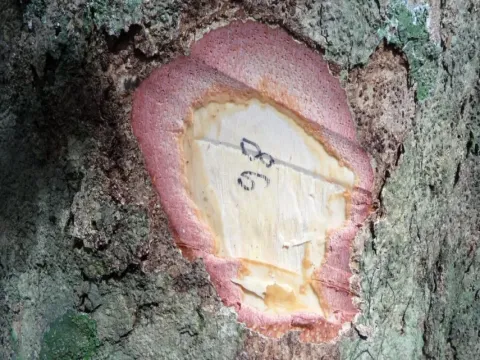
Testulea gabonensis
Testulea
Testulea gabonensis is a distinct botanical species belonging to the family Ochnaceae. As a monotypic genus, it holds a specific place in tropical botany, representing unique evolutionary adaptations within its native African ecosystems.
What the section contains

Testulea gabonensis
The natural range of this tree is concentrated in the dense, humid rainforests of Central Africa, particularly in Gabon. It flourishes in a tropical climate characterized by year-round high temperatures and significant annual rainfall, which is essential for its vegetative growth cycles.
Cultivation requirements for this species are demanding. It requires deep, fertile, and well-drained soils to prevent root rot, which is common in tropical regions with high moisture levels. The plant is best suited to forest environments where it can benefit from natural nutrient cycling.
Botanically, Testulea gabonensis is known for its robust trunk and specific canopy structure, which allows it to thrive in the competitive environment of the tropical canopy. The tree demonstrates a balanced growth rate that is highly dependent on the availability of solar energy and soil composition.
Agronomic knowledge regarding this species is largely focused on conservation and sustainable forestry practices. Since it is often harvested from wild stands, current research emphasizes understanding its reproductive biology to ensure the species' survival against habitat fragmentation and industrial pressure.
The primary economic application of Testulea gabonensis is the production of high-quality timber. Its wood is highly valued in the international market for its density, aesthetic appeal, and structural strength, making it a premium choice for bespoke furniture and architectural woodwork.