
Ochna membranacea
Ochna membranacea
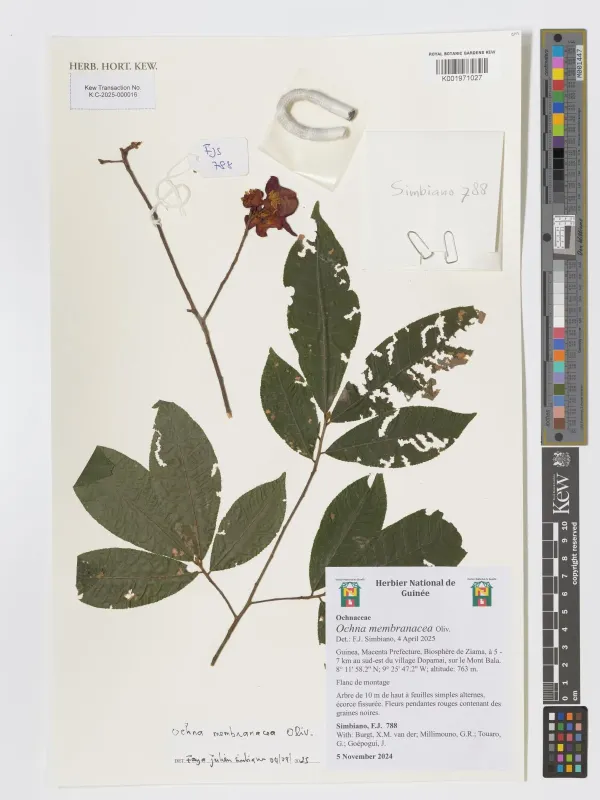
Description
Growing requirements
Ochna membranacea is a perennial tropical shrub belonging to the Ochnaceae family. Native to the humid forest ecosystems of Asia, it is recognized for its unique biological adaptation to warm and stable environmental conditions.
To ensure optimal development, the crop requires nutrient-rich, well-draining soil with a slightly acidic profile. It performs best in environments characterized by high ambient humidity and moderate shade, as direct intense sunlight can stress the leaves.
Water management is critical for this species. Producers must maintain consistent soil moisture, ensuring that the root zone remains adequately oxygenated, as waterlogging is a primary factor in plant decline and root system failure.
Agricultural practices for Ochna membranacea include regular formative pruning to maintain a structured growth habit. Fertilization should focus on balanced organic applications provided during the peak vegetative stage to encourage vigorous stem development.
This plant is primarily utilized in ornamental horticulture and landscape architecture due to its distinctive fruit morphology. Ongoing research often focuses on its phytochemical properties and its role in biodiversity conservation within tropical agrarian landscapes.
Main diseases and pests
The primary agricultural threats to Ochna membranacea include infestations of spider mites and scale insects, which frequently emerge in climate-controlled environments where air circulation is insufficient.
Pathogenic challenges include root rot and leaf spot diseases, typically induced by poor drainage or fungal pathogens thriving in high-humidity conditions. Integrated pest management strategies are essential to maintain plant vigor and marketability.