
Ochna pulchra
Ochna pulchra
Description
Growing requirements
Ochna pulchra, commonly known as the peeling plane, is a tree or shrub belonging to the Ochnaceae family. It is indigenous to the savannahs and open woodlands of tropical and southern Africa. The species is highly adapted to hot environments and distinct dry seasons, making it a robust candidate for cultivation in arid climates.
For successful growth, this culture requires well-drained soil with moderate nutrient content. It performs best in sandy or rocky substrates where waterlogging is completely avoided. The plant thrives in full sun exposure, although young specimens might benefit from partial shade during their early stages to establish a strong root system.
The climatic preferences include high average temperatures and clear seasonal cycles. As a drought-tolerant species, it is highly suitable for landscaping in regions with limited water availability. While it can withstand mild cold spells, Ochna pulchra is susceptible to severe frost, which can damage its vegetative parts and hinder annual growth.
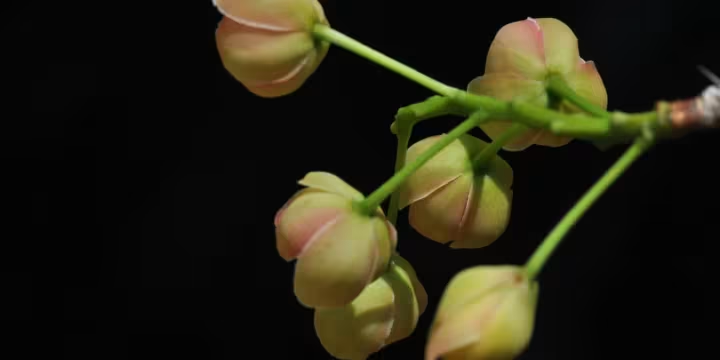
Botanically, the species is characterized by its distinct foliage that emerges as coppery-red before turning deep green. The bark is another unique feature, peeling in thin, flaky patches, which gives the trunk a textured appearance. The yellow flowers are short-lived, but the persistent calyces turn bright red, providing a striking visual appeal to the landscape.
Economically, this plant is primarily utilized in ornamental gardening, urban reforestation, and as an erosion control agent. The wood is notably dense and durable, yet its relatively slow growth rate makes it less viable for large-scale timber production compared to other fast-growing species. It remains a valuable ornamental for Mediterranean and tropical climates.
Main diseases and pests
The primary threats to Ochna pulchra in cultivation are fungal infections affecting the root system, usually triggered by excessive moisture or poor soil drainage. Managing irrigation frequency is critical to prevent rot. Furthermore, during periods of extreme heat or drought stress, the plant may become susceptible to infestations of aphids or spider mites, which should be addressed with appropriate horticultural practices.