
Ochna obtusata
Ochna obtusata
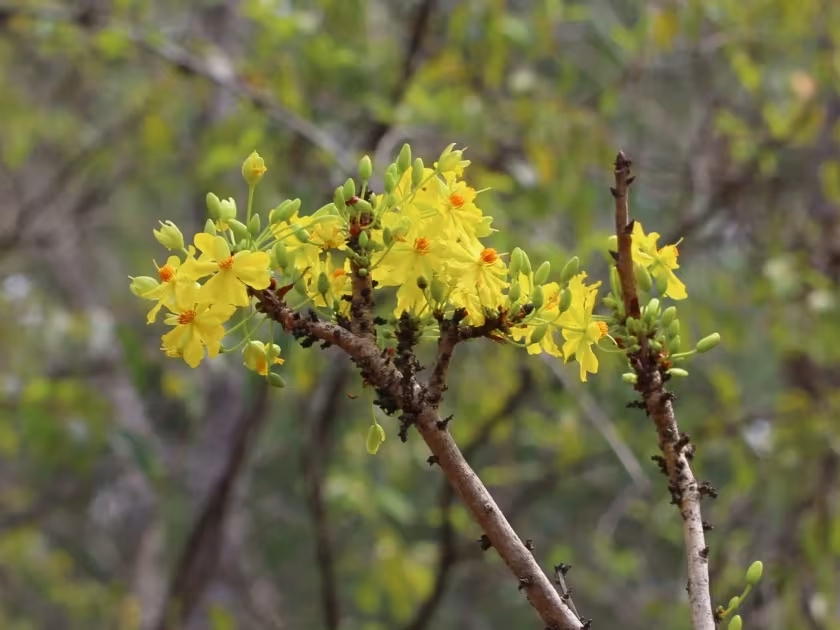
Description
Sowing dates
Propagation of Ochna obtusata is primarily performed through seeds or semi-hardwood cuttings. Seeds should be sown immediately after harvesting to ensure maximum viability, as they lose their germinating capacity relatively quickly under standard storage conditions.
For optimal results, the sowing medium should consist of a sterile, well-draining mixture containing peat and perlite. Maintaining a consistent temperature between 22°C and 25°C is essential to trigger the germination process effectively.
Cuttings are usually taken during the late summer, selecting healthy, disease-free stems. By applying a rooting hormone and placing the cuttings in a high-humidity environment, gardeners can successfully propagate the plant while retaining the parent's characteristics.
After the initial sprouting phase, young seedlings require careful handling. They should be protected from direct sunlight until they develop a stronger root system and a sufficient number of true leaves to withstand environmental stress.
Regular monitoring of moisture levels is crucial during the early stages. The soil should remain consistently moist but never waterlogged to prevent the development of damping-off diseases among the young plant population.
Growing requirements
Ochna obtusata belongs to the Ochnaceae family and is native to tropical Asia. It thrives in environments with high ambient light, although it benefits from light shade during the hottest parts of the day to prevent leaf scorch.
The plant requires deep, fertile, and slightly acidic soil with excellent drainage properties. When kept in containers, it is vital to ensure that the pot has ample drainage holes to prevent the accumulation of stagnant water.
Temperature management is a key aspect of Ochna care. The plant does not tolerate frost and prefers temperatures ranging from 20°C to 30°C. In colder climates, it must be overwintered in a greenhouse or an indoor space with adequate light.
Watering frequency should be adjusted based on the season and the plant's growth stage. During the active growing period, consistent watering is necessary, whereas during the dormant season, the plant requires significantly less water to prevent root rot.
Nutrient requirements are best met through the application of balanced, slow-release fertilizers during the spring and early summer months. This promotes vigorous vegetative growth and enhances the flowering potential of the shrub.
Main diseases and pests
Spider mites are a common pest of Ochna obtusata, especially in indoor environments with low humidity. They thrive on the underside of leaves, causing yellowing and eventual leaf drop if the infestation is not managed promptly.
Scale insects often attach themselves to the stems and branches of the plant. Their presence is indicated by sticky honeydew residues, which can lead to the development of sooty mold, affecting the plant's ability to photosynthesize.
Root rot, a result of poor soil aeration and overwatering, remains the most significant threat to the longevity of the plant. Ensuring that the substrate dries out between watering intervals is the best preventative measure against this condition.
Powdery mildew may occur when air circulation around the plant is restricted. Improving ventilation and maintaining appropriate spacing between specimens helps to keep the foliage dry and free from fungal spores.
Proactive integrated pest management, including regular physical inspections and the use of insecticidal soaps, is recommended to maintain the health and aesthetic value of the Ochna throughout its lifecycle.