
Ochna gambleoides
Ochna gambleoides
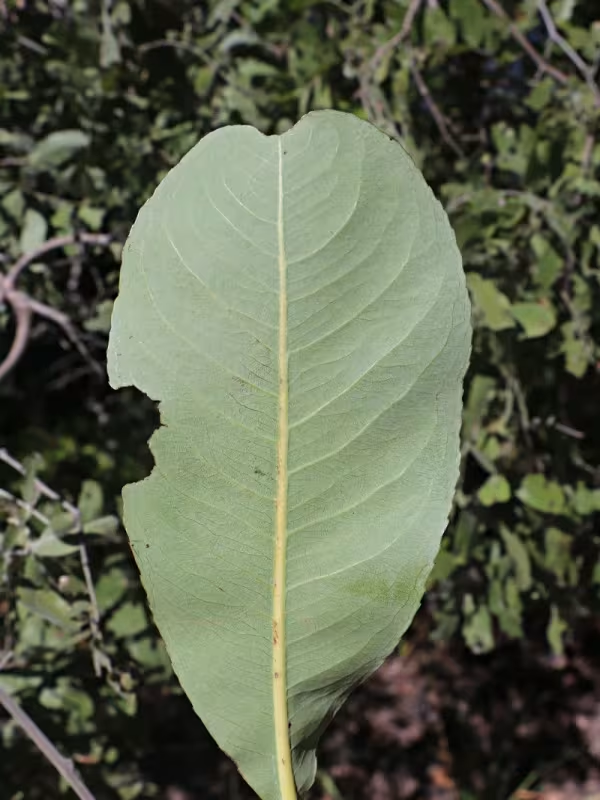
Description
Growing requirements
Ochna gambleoides is a perennial shrub belonging to the Ochnaceae family, primarily native to the tropical regions of West Africa. This species is well-adapted to savanna environments, characterized by distinct wet and dry seasons which influence its vegetative cycles.
The plant thrives in regions with warm temperatures and requires exposure to full or partial sunlight to maintain structural integrity and vigor. It is notably resilient to short periods of moisture deficit, making it a robust species for specific tropical climates.
Soil requirements for optimal growth include well-draining substrates, typically sandy or light loamy soils. These conditions prevent the occurrence of root diseases that are common in this species when subjected to waterlogged soil conditions for extended periods.
Cultivation practices involve regular monitoring of soil pH, as this species prefers slightly acidic to neutral soil environments to facilitate nutrient uptake. Nutrient management should focus on maintaining a balanced profile of trace elements and organic matter.
In managed agricultural systems, providing space for root expansion and ensuring proper airflow between plants are essential to reduce the risk of common tropical foliage diseases and to support overall plant health.
Harvesting
Harvesting Ochna gambleoides is typically directed toward utilizing its leaves and biological extracts for various traditional purposes, including natural dye production.
The timing of the harvest is critical; active vegetative growth phases are preferred to ensure the highest concentration of desired chemical compounds within the plant tissues.
Careful manual or semi-automated harvesting techniques are employed to ensure that the plant retains enough photosynthetic capacity for recovery after pruning or trimming.
Post-harvest management includes controlled drying in a shaded, well-ventilated area to preserve the chemical integrity of the harvested material and to prevent microbial growth.
Storage requires cool, dry conditions to maintain the quality of the raw material, ensuring that the shelf life of the harvested biomass is maximized for future usage.