
Ochna serrulata
Ochna serrulata
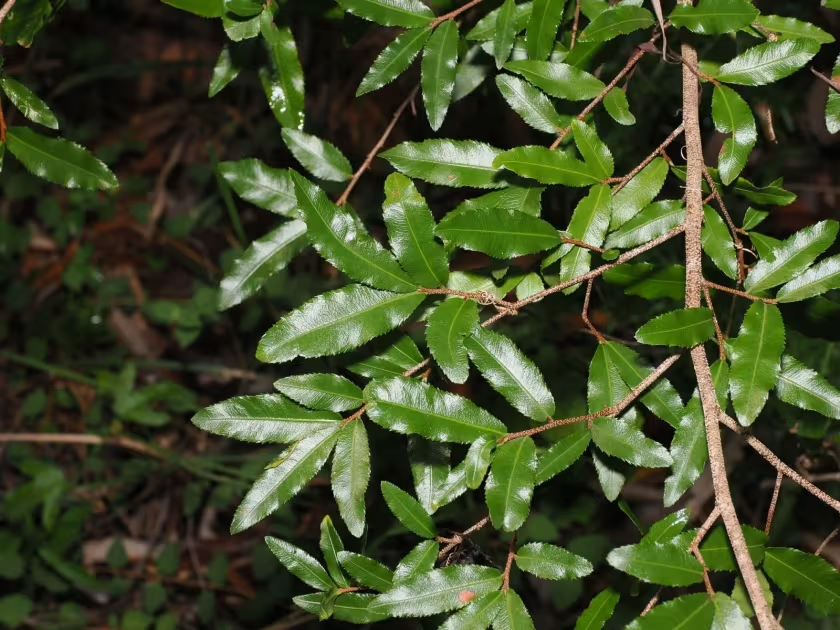
Description
Sowing dates
Ochna serrulata, commonly known as the bird's eye bush, is a decorative evergreen shrub belonging to the Ochnaceae family. Propagation is primarily achieved through fresh seeds, which require immediate sowing due to their short viability period.
For optimal results, seeds should be sown in a well-draining, sterile potting mix. Keeping the soil temperature around 22–25 degrees Celsius and maintaining consistent moisture levels are critical for successful germination.
Cuttings can also be used for propagation, focusing on semi-hardwood shoots taken during the active growing season. Applying rooting hormones and providing a humid environment significantly increases the success rate of propagation.
Young seedlings grow slowly and require careful attention to their development in the first months. Transplantation should occur only after the root system is sufficiently established to prevent transplant shock.
Cultivators often time their planting to coincide with the onset of spring to ensure the longest possible growing season before the winter rest. Proper spacing is essential for air movement, which reduces the risk of fungal issues.
Growing requirements
The bird's eye bush thrives in subtropical climates. It requires bright, indirect sunlight, as intense direct sun can scorch the glossy leaves and interfere with the photosynthetic process during peak summer heat.
The soil should be fertile and well-draining, with a slightly acidic to neutral pH. A mix of peat, loam, and coarse sand provides the necessary balance of moisture retention and aeration required for healthy root function.
Regular watering is necessary during the growth phase, but it is vital to allow the top layer of the soil to dry out between sessions. Over-saturation can quickly lead to root rot, which is a major agronomic challenge.
During the dormant period, environmental conditions should be adjusted by reducing both temperature and irrigation frequency. This helps the plant transition into a rest phase, which is necessary for blooming in the following season.
Feeding the shrub with a balanced fertilizer every two to three weeks during the active phase promotes strong foliage and vibrant blooms. It is important to avoid high-nitrogen fertilizers during the late stages of growth.
Main diseases and pests
Pest management for Ochna serrulata focuses mainly on spider mites and scale insects. These pests thrive in dry environments and can quickly infest foliage if not monitored regularly with preventative inspections.
Fungal diseases, such as powdery mildew, often appear in stagnant, humid environments with poor air circulation. Symptoms include white dusty patches on the leaf surfaces, leading to leaf drop and decreased vigor.
Root rot caused by pathogenic fungi such as Phytophthora is a serious concern. It usually stems from improper irrigation practices, such as allowing water to pool around the base of the plant for extended periods.
Integrated pest management strategies are recommended, including the use of horticultural oils and specific systemic fungicides when necessary. Early detection is the most effective way to prevent widespread infestation in the garden.
- Maintain appropriate spacing between plants.
- Remove any decaying plant debris from the surface.
- Sterilize pruning tools to avoid cross-contamination.
- Ensure that the drainage system is always functioning properly.