
Ochna puberula
Ochna puberula
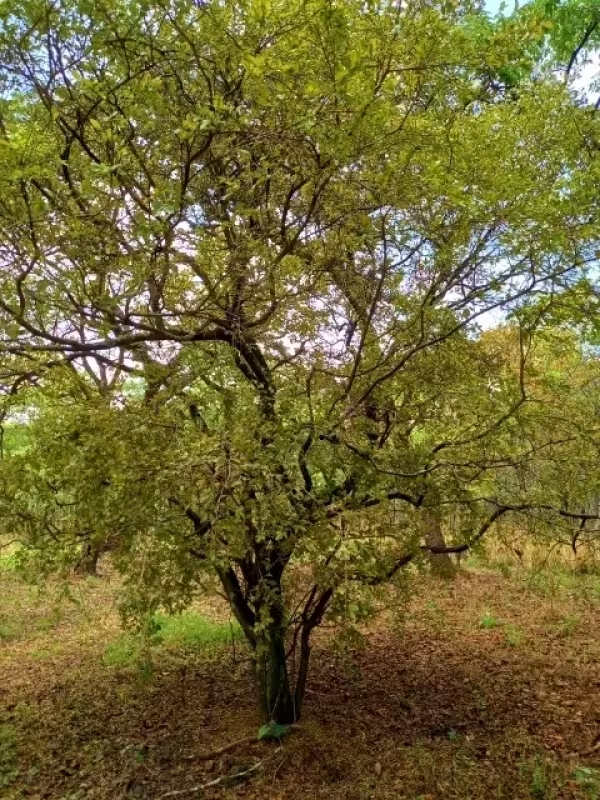
Description
Sowing dates
Ochna puberula is a distinct species within the Ochnaceae family, recognized for its specific physiological requirements. Propagation is typically achieved through seeds, which require specific handling to ensure successful germination.
Sowing should ideally occur in well-draining, nutrient-rich potting media during the warmer months. Maintaining a constant temperature is critical to activate the dormant embryos within the seeds.
Seeds are sown at a shallow depth and lightly covered, followed by consistent misting to maintain high surface humidity without causing waterlogging of the soil.
Seedlings develop slowly and require protection from intense direct sunlight for the first few months. A shaded nursery environment provides the best conditions for the young plants to establish their root systems.
Once the saplings reach a height of approximately 30 centimeters, they are ready to be transplanted into larger containers or permanent nursery beds, ensuring proper spacing to facilitate adequate air circulation.
Growing requirements
This species thrives in tropical and subtropical climates, necessitating a warm and humid environment for optimal vegetative growth. Temperatures below freezing can be fatal to young and mature plants alike.
Soil requirements involve a high-quality, aerated substrate with a slightly acidic to neutral pH. Proper soil structure is essential to prevent the accumulation of excess water, which leads to root suffocation.
Ochna puberula performs best in bright, dappled light. While it can withstand periods of sunlight, it is safer to provide protection during the peak midday heat to prevent leaf scorch.
Irrigation practices must be calibrated to mimic tropical cycles, involving regular watering followed by short dry spells. This rhythm helps stabilize the plant's metabolic processes and encourages healthy foliage development.
Fertilization with a balanced, slow-release fertilizer is recommended during the peak growing season. This ensures that the plant has access to nitrogen, phosphorus, and potassium as it produces new growth.
Yield
The economic value of Ochna puberula is primarily linked to its ornamental beauty and the utility of its wood. The plant produces distinctive flowers and fruits that are highly valued in the landscaping and nursery industries.
Harvesting for propagation purposes involves collecting seeds once they have reached full maturity. Careful handling is required to ensure the seeds are not damaged during the extraction process.
When grown for timber potential, the yield is measured by the growth rate of the main trunk and the quality of the wood produced. Regular pruning is necessary to maintain a straight, healthy central leader.
Commercial plantations of this species are currently limited, making it a niche crop for specialized growers. The long-term productivity of the tree depends on consistent pruning and thinning.
Productivity can be maximized by ensuring optimal nutrition throughout the tree's lifespan, which allows for sustained production of flowers and subsequent seeds year after year.
Main diseases and pests
Root rot is the most common threat to this plant, usually caused by poor drainage or overwatering. Maintaining a strict irrigation schedule is the most effective preventative measure against this pathology.
Pests such as spider mites and aphids may infest the succulent new growth. Routine inspections allow for early detection and manual removal or the application of safe, targeted horticultural soaps.
Fungal leaf spots can occur in environments with low airflow and high humidity. Improving air circulation around the canopy is essential to prevent the spread of fungal spores among the leaves.
Mineral deficiencies often manifest as chlorosis, indicating that the plant is not receiving adequate nutrients or that the soil pH is out of the ideal range. Periodic soil testing can mitigate these issues.
Sanitation practices, including the removal of dead leaves and organic debris from the base of the plant, help minimize the risk of soil-borne diseases that could compromise the health of the root system.