
Ochna kirkii
Ochna kirkii
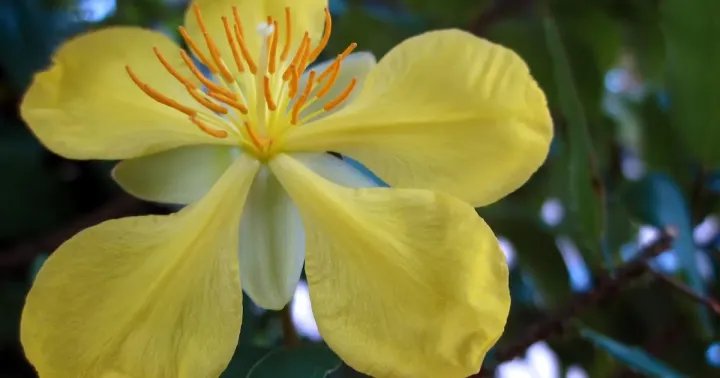
Description
Growing requirements
Ochna kirkii is a distinguished evergreen shrub belonging to the Ochnaceae family. Native to the coastal regions of East Africa, this plant is widely recognized for its unique biological trait where the sepals turn bright red after flowering, holding black, drupe-like fruits.
The plant thrives in a tropical climate and requires consistent warmth to maintain healthy development. It is highly intolerant to freezing temperatures, making it suitable for outdoor cultivation only in USDA zones 10-12, or as a greenhouse specimen in cooler regions.
Soil requirements for Ochna kirkii are specific: it necessitates well-draining, slightly acidic to neutral soil. Poorly aerated soils that retain excess water lead to root asphyxiation and are detrimental to the long-term health of the shrub.
In terms of light, the plant prefers bright, filtered sunlight. While it can adapt to lower light conditions, full sun exposure is necessary to stimulate the intense coloration of the red sepals that gives the plant its popular appeal.
Cultural management involves consistent watering during the growing season, allowing the soil to partially dry out between sessions. Regular pruning is recommended to maintain a compact, attractive shape, as the plant can become leggy if left unchecked.
Main diseases and pests
Common pests include scale insects and mealybugs, which are often found on the stems and undersides of leaves. These pests sap the vitality of the plant, potentially leading to leaf drop if not addressed with horticultural oils or soap sprays.
Spider mites are a recurring issue in indoor environments, especially during winter months when indoor heating lowers ambient humidity. Keeping the foliage misted can help mitigate the risk of mite infestations.
Fungal pathogens such as anthracnose can affect the foliage under conditions of high humidity and poor air circulation. Symptoms include irregular dark spots, which can be managed with copper-based fungicides.
Root rot is the most serious threat, usually associated with overwatering or heavy, water-logged growing media. Once the root system is compromised, the plant exhibits signs of wilting even when the soil appears moist.
- Regular monitoring for signs of leaf discoloration.
- Maintenance of proper spacing for airflow.
- Sterilization of pruning shears after every use.
- Application of specialized fertilizers for tropical shrubs.