
Ochna pumila
Ochna pumila
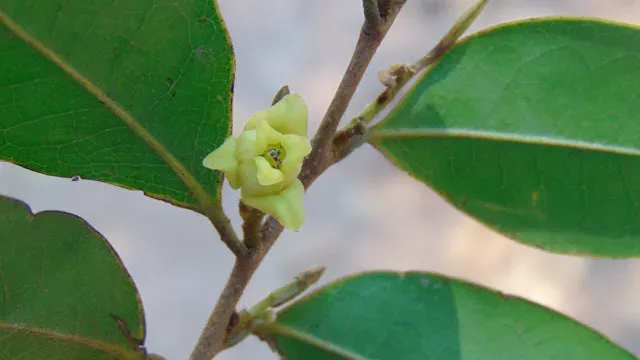
Description
Growing requirements
Ochna pumila is a distinct species belonging to the Ochnaceae family. Native to the tropical regions of Southeast Asia and India, this subshrub is known for its unique botanical profile and specific environmental preferences that define its habitat and distribution.
The cultivation of this species requires well-draining, nutrient-rich soil that mimics its natural forest floor or grassland environment. Soil pH should ideally be maintained in the slightly acidic to neutral range to ensure optimal nutrient uptake by the roots.
Climate requirements for Ochna pumila are strictly tropical. The plant thrives in environments with high humidity and consistent warmth, ideally between 22 and 30 degrees Celsius. It cannot tolerate frost and should be protected from sudden cold snaps or temperature drops.
Regarding light, Ochna pumila requires bright but indirect sunlight to maintain its foliage health. Intense, direct sun can cause leaf scorching, particularly in the midday period, so positioning in the greenhouse or nursery is a critical factor for success.
The хозяйственное usage (economic use) is primarily focused on its ornamental value. Its fascinating fruit structure, characterized by a bright red receptacle and black drupes, makes it a valuable asset for botanical research and specialized tropical ornamental gardening.
Harvesting
Harvesting the seeds of Ochna pumila is a delicate procedure. Because of the asynchronous maturation of the fruits, growers must implement multiple picking cycles to ensure the quality and viability of the collected plant material throughout the season.
The manual extraction of seeds is necessary to preserve the delicate seed coat. Once extracted, the seeds must be thoroughly cleaned of any pulp, as residual organic matter can lead to fermentation or fungal growth during the drying process.
Drying is performed in controlled, airy, and shaded environments. Excessive heat must be avoided during this stage, as it can compromise the viability of the embryo and drastically reduce future germination rates in controlled settings.
Sorting and grading are the next steps in the post-harvest chain. Only fully matured, high-density seeds should be selected for long-term storage or immediate propagation efforts, ensuring that only the healthiest plants are reproduced.
Finally, storing the seeds requires cool and dry conditions. Proper moisture management is essential to prevent the seeds from losing their biological potential, as Ochna pumila seeds are known to be sensitive to environmental fluctuations in long-term storage.