
Ochna atropurpurea
Ochna atropurpurea
Description
Growing requirements
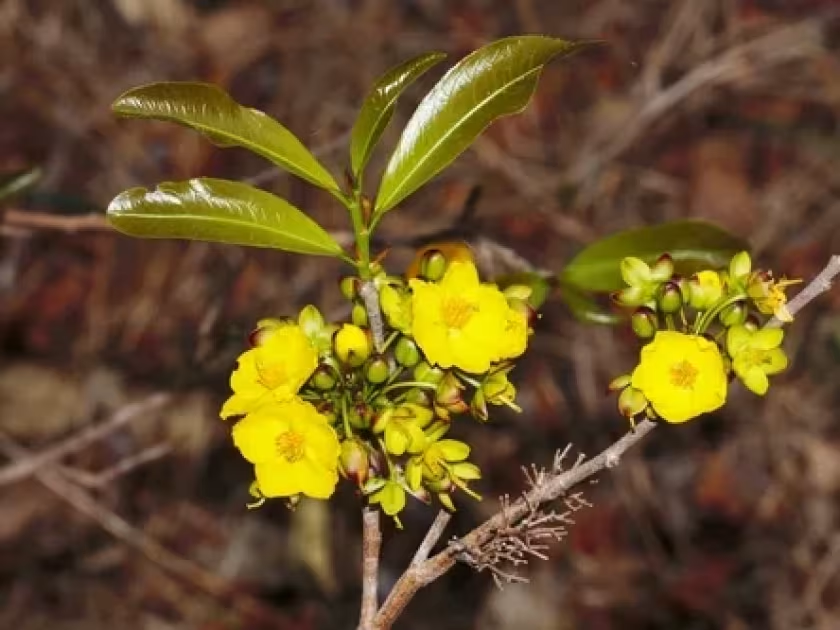
Ochna atropurpurea is a notable evergreen shrub belonging to the Ochnaceae family. It is native to the diverse landscapes of South Africa, where it thrives in forest margins and open woodlands.
The plant is widely recognized for its botanical uniqueness; after the yellow petals fall, the receptacle turns vibrant red, providing a striking background for the glossy black fruits that resemble a face, often earning it the nickname "Mickey Mouse plant".
Cultivation of this species requires well-draining, nutrient-rich soil. It is crucial to ensure that the potting medium or garden soil does not hold excess moisture to prevent damage to the root system.
The plant thrives in bright, filtered sunlight. While it can tolerate full sun, providing shade during the hottest parts of the day in warmer climates is recommended to maintain optimal leaf health and prevent scorching.
Regular maintenance practices, including balanced fertilization during the growing season and consistent, moderate watering, are essential to encourage healthy vegetative growth and abundant annual flowering.
Main diseases and pests
Common pests that may affect Ochna atropurpurea include scale insects and mealybugs, which tend to accumulate on the undersides of leaves and along young stems, feeding on plant sap.
Fungal infections such as powdery mildew can occur if the plant is grown in areas with poor air circulation or excessive humidity, manifesting as dusty white patches on the foliage.
Root rot is a significant threat when soil drainage is poor, often caused by overwatering or compacted soil that does not allow oxygen to reach the roots.
Integrated pest management, including the use of horticultural oils or insecticidal soaps, is effective in controlling infestations without damaging the delicate aesthetics of the shrub.
Maintaining proper hygiene by removing dead leaves and ensuring adequate space between plants helps prevent the spread of diseases and ensures the longevity of the Ochna specimen.