
Ochna holstii
Ochna holstii
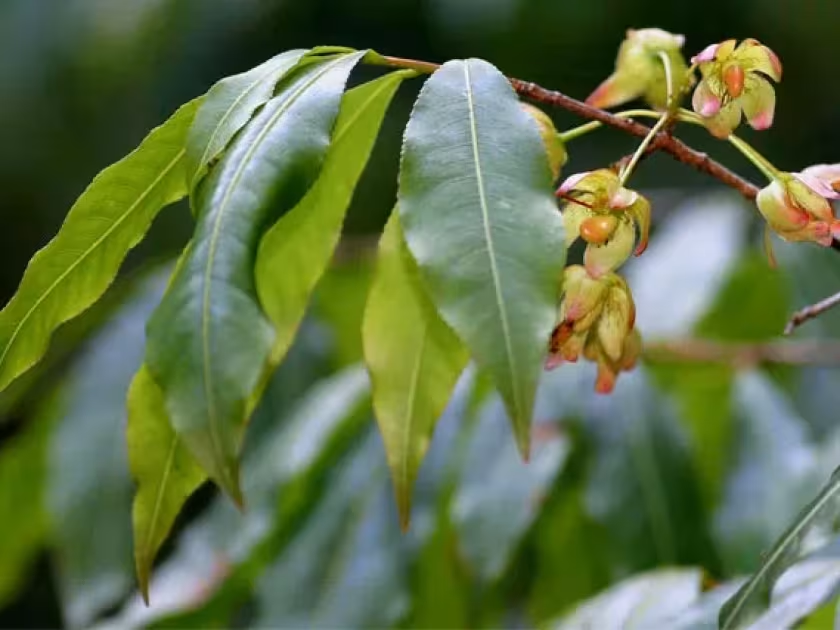
Description
Growing requirements
Ochna holstii is a woody plant belonging to the Ochnaceae family. Naturally found in the mountain forests of tropical Africa, it grows as a hardy evergreen shrub or a small tree characterized by its dense canopy and attractive foliage.
The plant thrives in moist tropical climates and requires well-drained soil to maintain its health. It is known for its ability to adapt to varying light conditions, although partial shade is preferred during the early stages of the plant's development.
To ensure optimal growth, Ochna holstii should be kept in environments where temperatures range from +20°C to +28°C. Protecting the plant from frost and sudden temperature drops is essential for its survival and long-term development.
The ideal growing medium should be rich in organic matter and possess a slightly acidic to neutral pH level. Proper drainage is the most critical factor in soil management, as the roots are highly susceptible to damage if water is allowed to pool around them.
Cultivation practices involve regular fertilization during the active growing season and judicious pruning to manage the plant's size. Pruning is also essential for maintaining the structural integrity of the branches and promoting better airflow through the canopy.
Main diseases and pests
The primary threats to Ochna holstii include fungal pathogens such as powdery mildew and various leaf spot diseases, which often occur when environmental humidity is too high or air circulation is poor.
Common insect pests include spider mites, scale insects, and mealybugs. These pests thrive in dry air conditions and can cause significant foliage damage if their populations are not managed promptly.
Proactive care, such as regular inspection of the leaves and stems, is the most effective way to detect early signs of infestation. Maintaining proper sanitation in the growing area helps minimize the risk of pest outbreaks.
When fungal diseases are identified, it is necessary to remove infected foliage immediately. Applying appropriate fungicides may be required to prevent the disease from spreading throughout the entire specimen.
Root rot remains a major risk, often exacerbated by overwatering or compacted soil. Maintaining a strict watering schedule and ensuring that the pot or garden bed has excellent drainage is paramount for plant longevity.