
Ochna arborea
Ochna arborea
Description
Growing requirements
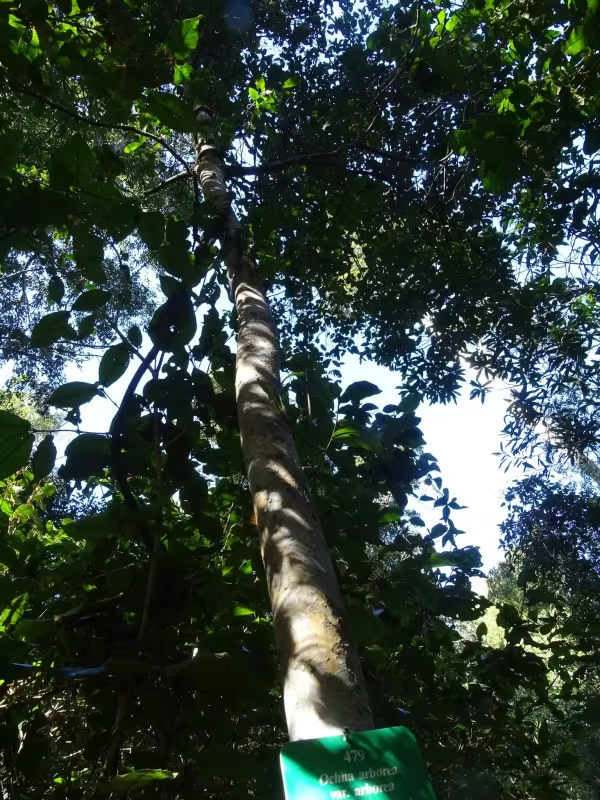
Ochna arborea, commonly known as the Cape Plane, is a perennial evergreen tree or shrub belonging to the Ochnaceae family. This species is native to the forest regions of Southern Africa, thriving in diverse coastal and bushveld environments.
This crop requires well-drained, nutrient-rich soil to support its robust root system. It thrives in environments with high organic matter content, ensuring consistent moisture availability without the risk of waterlogging, which is critical for healthy development.
Climate requirements for Ochna arborea center on stable, warm conditions. It is highly sensitive to frost, necessitating protection in colder climates or cultivation in controlled greenhouse environments to maintain an optimal temperature range of +20°C to +28°C.
Botanically, the tree is characterized by its glossy, leathery leaves and striking visual transformation post-flowering. As the yellow petals drop, the sepals expand and turn a vivid red, creating a stunning backdrop for the ripening black drupes.
Agricultural management involves regular watering, periodic mulching to retain soil moisture, and balanced fertilization during the active growing season. Pruning can be applied to manage shape and encourage denser canopy development in landscape applications.
Main diseases and pests
Common pests affecting Ochna arborea include scale insects and spider mites, which typically target the foliage during periods of low humidity or environmental stress.
Root pathogens are a significant concern, often resulting from poor soil drainage or excessive irrigation practices that create anaerobic conditions in the root zone.
Fungal infections, such as leaf spot or powdery mildew, may manifest if air circulation is inadequate or if the canopy remains damp for extended periods.
Integrated pest management strategies should focus on regular inspections, proper spacing, and the application of suitable fungicides or horticultural oils when early symptoms appear.
Maintaining plant vigor through balanced nutrition and correct irrigation is the primary defense against both pests and opportunistic diseases throughout the growing cycle.