
Ochna afzelii
Ochna afzelii
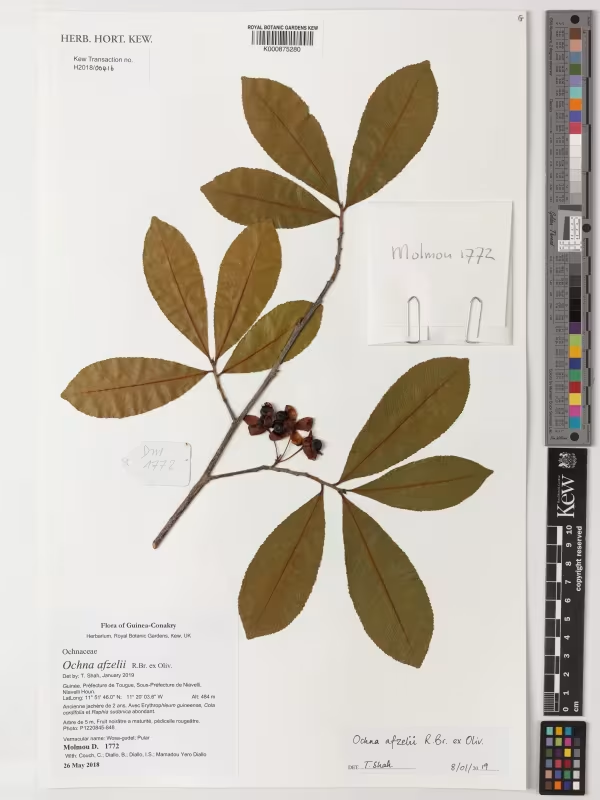
Description
Sowing dates
The propagation of Ochna afzelii in its natural habitat occurs primarily through seeds. Since the seeds have a relatively short viability period, it is recommended to sow them immediately after harvesting the fruits.
In nursery environments, light and well-drained growing media are preferred for germination. The optimal temperature for seedling emergence typically ranges between 22 and 25 degrees Celsius.
Seeds should be sown in containers, providing adequate protection from intense, direct sunlight during the initial stages of seedling development.
Alternatively, stem cuttings can be used to propagate the species, allowing for faster establishment of mature specimens. Using rooting hormones on semi-hardwood cuttings significantly increases success rates.
Transplanting young plants to their final location is best performed at the onset of the rainy season to ensure sufficient moisture for root system establishment.
Growing requirements
Ochna afzelii belongs to the Ochnaceae family and is native to the tropical forests of West Africa. The species thrives in humid tropical climates with regular rainfall throughout the year.
The plant requires deep, fertile, and well-aerated soils to perform well. Adequate drainage is crucial, as waterlogged soil conditions often lead to the development of root rot and other pathologies.
A stable temperature regime is essential for healthy growth. The species is highly sensitive to significant temperature fluctuations and cannot tolerate frost or chilling conditions.
Moderate light exposure is preferred for optimal development. While mature shrubs can tolerate full sun, younger plants benefit significantly from partial shade to prevent leaf scorching.
Agricultural management requires maintaining consistent soil moisture, ensuring that the root zone does not dry out completely, especially during the early development years.
Yield
The economic utilization of Ochna afzelii is primarily centered on traditional medicinal applications and its role as a decorative plant in tropical landscaping.
Studies indicate that the plant contains bioactive compounds such as flavonoids and terpenoids, attracting interest from the pharmaceutical sector for potential drug development.
While yields in the wild are limited, large-scale cultivation could provide a sustainable source of bark and leaf materials for the herbal medicine market.
The fruits of the shrub play a vital ecological role by attracting various bird species, thus contributing to local biodiversity and supporting forest regeneration processes.
The overall profitability of farming this crop depends on local demand for botanical extracts and the sustainable management of wild harvesting areas.
Main diseases and pests
The primary threats to Ochna afzelii include fungal infections of the root system, often resulting from improper watering schedules or insufficient soil drainage.
The foliage is susceptible to attacks from common sap-sucking pests such as aphids and scale insects, which can severely weaken the plant if left unchecked.
High humidity conditions may trigger outbreaks of powdery mildew, necessitating prompt intervention with bio-fungicides or the removal of infected branches.
Anthropogenic pressure, specifically deforestation and the degradation of natural tropical habitats, remains the most significant threat to the survival of natural populations.
Integrated pest management strategies, emphasizing the use of eco-friendly insecticides and maintaining plant vigor, are recommended to mitigate the risk of pest infestation.