
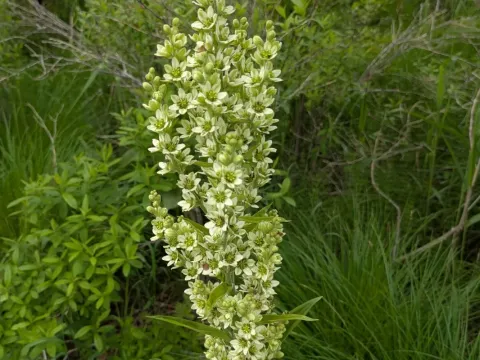
Veratrum oxysepalum
Veratrum oxysepalum
Veratrum oxysepalum is a perennial herbaceous plant belonging to the Melanthiaceae family. It is native to East Asia, primarily found in the mountainous regions of the Russian Far East, Japan, and Korea, where it thrives in cool, moist environments.
What the section contains
Veratrum oxysepalum
The plant features a stout, creeping rhizome and a tall, sturdy stem that can reach heights of up to 1.5 meters. The leaves are large, alternate, and prominently pleated, which is a key identifying trait for this specific member of the genus.
Cultivation requires deep, fertile, and consistently moist soil that is rich in organic matter. While it prefers partial shade, it can tolerate more exposure in cooler, high-altitude climates. Proper drainage is essential to prevent root rot during dormant winter periods.
As a plant containing potent alkaloids, Veratrum oxysepalum is considered poisonous to humans and animals. Consequently, it must be handled with appropriate protective gear during harvesting and field management to prevent accidental ingestion or skin contact.
Standard agrotechnical practices focus on mulching to retain soil moisture and providing protection against extreme heat. The plant is exceptionally hardy and capable of surviving harsh winter conditions, making it suitable for cooler temperate climates.
The main threat to Veratrum oxysepalum in cultivation is root and crown rot, typically triggered by poor drainage or excessive soil moisture during the growing season. Preventing waterlogged conditions is the primary strategy for ensuring plant health.
Insect pests such as leaf miners and aphids can cause damage to the foliage, weakening the plant's photosynthetic capacity. Early intervention using cultural control methods is preferred to maintain the quality of the medicinal plant material.
Slugs and snails often target young shoots during the spring, which can lead to significant biomass loss. Implementing barriers or natural repellent methods around the young plants is recommended during the early development phase.
Fungal pathogens like Botrytis can flourish in crowded plantings with poor airflow. Maintaining sufficient spacing between rows and plants is a crucial agricultural practice for disease mitigation in high-density fields.
Regular field inspection is necessary for early detection of viral indicators, such as mosaic patterns on the leaves, which would necessitate the removal and destruction of the infected specimen to protect the rest of the crop.