
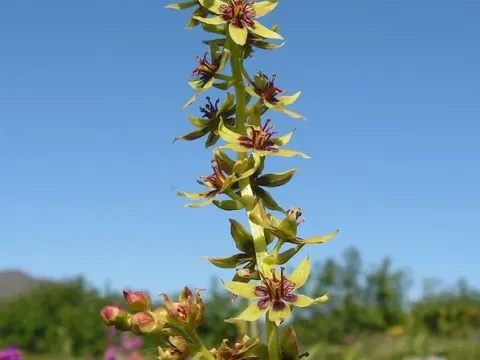
Veratrum anticleoides
Veratrum anticleoides
Veratrum anticleoides is a perennial herbaceous plant belonging to the Melanthiaceae family. It is a specialized species native to high-altitude regions, characterized by its unique morphological adaptations to mountainous climates and rocky terrains.
What the section contains
Veratrum anticleoides
The plant requires well-drained, nutrient-rich soils to thrive. It performs best in soils with a slightly acidic to neutral pH, which ensures the optimal availability of macro and micronutrients essential for the development of its root system.
Water management is a critical factor in the cultivation of this species. While it requires consistent moisture during the peak growing season, it is highly sensitive to waterlogging, which can cause root rot and significantly reduce the yield.
Light intensity has a direct impact on the chemical composition of the plant, specifically the concentration of alkaloids. Providing adequate sunlight is essential for maintaining the quality and potency of the plant for its eventual medicinal use.
This species is well-adapted to cooler climates and possesses strong frost resistance. This hardiness makes it suitable for cultivation in regions with cold winters, provided that the soil conditions remain stable throughout the early growth stages.
The primary threats to Veratrum anticleoides are fungal diseases, particularly root and crown rots, which often emerge if the drainage is insufficient. Integrated pest management and proper crop rotation are recommended to mitigate these risks.
Insect pests such as leaf beetles and soil-dwelling larvae can also cause significant damage if left untreated. Regular scouting and early intervention are necessary to maintain the health of the commercial crop and prevent yield losses.
The commercial harvest of Veratrum anticleoides involves the collection of rhizomes. The harvesting process is typically initiated after the plant has reached maturity, usually in the third or fourth year, during late autumn.
The harvested rhizomes must be immediately cleaned and dried in a controlled environment. Precise temperature management during the drying process is crucial to ensure that the active compounds remain intact and the product meets market standards.