
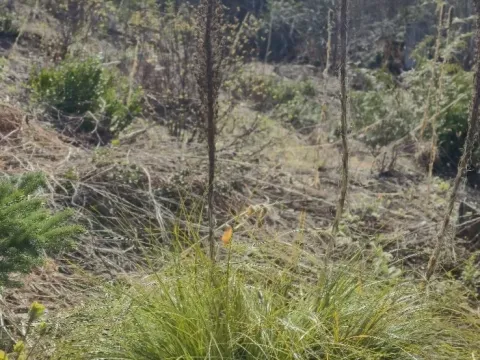
Xerophyllum tenax
Xerophyllum tenax
Xerophyllum tenax, commonly known as bear grass, is a perennial herb belonging to the Melanthiaceae family. Native to the mountain regions of Western North America, it thrives in open forests and alpine meadows, showing exceptional resilience to varying climates.
What the section contains
Xerophyllum tenax
The plant is characterized by a dense basal rosette of tough, grass-like leaves and a tall, impressive flowering stalk crowned with white blooms. Its root system is exceptionally hardy, capable of surviving harsh winters and even periodic forest fires.
Success in cultivation requires well-drained, acidic to neutral soil. The plant is sensitive to waterlogged conditions, which can lead to root rot; therefore, site selection with natural slope or engineered drainage is essential for long-term survival.
Bear grass prefers full sun to partial shade and is well-adapted to environments with intermittent drought. Its ability to store nutrients in the rhizome allows it to persist through long periods without water, making it a low-maintenance choice for suitable regions.
Historically, the long, durable leaves have been extensively used by indigenous cultures for basketry and traditional weaving. Today, there is growing interest in utilizing its properties for sustainable fiber production and as a landscape plant in ecological restoration projects.
Xerophyllum tenax possesses inherent resistance to many common pests, reducing the need for extensive chemical intervention. However, standing water and poor air circulation remain the primary threats to the plant's overall health.
Fungal infections in the root zone are the most common issue in poorly managed sites. Ensuring that the soil structure is porous is critical to prevent pathogens from attacking the base of the plant during periods of high humidity.
Insect infestation is rarely a significant problem, as the stiff, fibrous leaves are not palatable to most agricultural pests. Maintaining a clean field free of excessive debris helps in deterring potential vectors for diseases.
The risk of disease increases significantly if plants are spaced too closely, limiting airflow. Proper spacing and the removal of dead leaf material are essential prophylactic measures in any intensive cultivation setup.
Integrated pest management strategies focusing on cultural practices, such as ensuring correct drainage and monitoring plant vigor, are sufficient for maintaining a healthy and productive crop without excessive reliance on fungicides.