
Merendera
Merendera
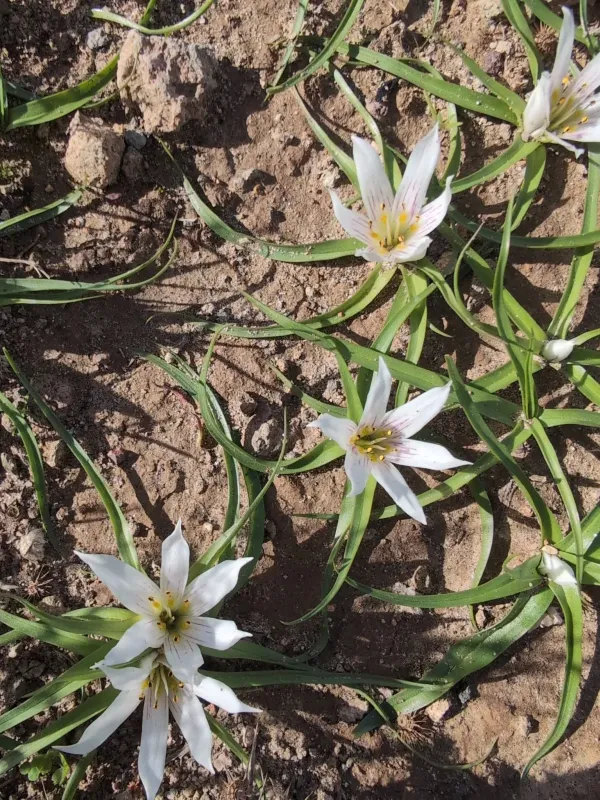
Description
Sowing dates
Planting of Merendera bulbs should ideally take place in late summer or early autumn. This timeframe allows the bulbs to establish a healthy root system before the onset of winter dormancy.
The recommended planting depth is between 7 and 10 centimeters, depending on the size of the bulb and the texture of the soil. Spacing should be approximately 10–15 centimeters apart.
While seed propagation is possible, it requires a period of cold stratification and is a slow process, with flowering typically occurring only after several years of growth.
Vegetative propagation via offsets is the most reliable and efficient method for garden cultivation, ensuring consistent growth and earlier blooming for the new plants.
Proper sanitation of the bulbs using a mild fungicide before planting is recommended to ensure that the material remains free of pathogens during the critical establishment phase.
Growing requirements
Merendera belongs to the Colchicaceae family and is native to Mediterranean and Central Asian regions, thriving best in sunny, open locations with well-drained soil.
The plant prefers sandy or loamy soils with a neutral pH level. It is highly sensitive to waterlogging, making drainage the most critical factor for successful cultivation.
Climate-wise, it is adapted to temperate conditions but performs best when provided with protection against severe, wind-swept frosts through light organic mulch.
During the active growth phase, moderate moisture is essential, but the plant requires a dry period during its dormancy, which typically occurs after the foliage dies back.
Care should be taken to choose a site that does not stay saturated during the rainy season, as poor drainage is the primary cause of failure in growing this genus.
Main diseases and pests
Botrytis (gray mold) represents the most significant threat to Merendera, especially in regions with high spring humidity or poorly draining soil conditions.
Root-feeding larvae, such as those of the onion fly, can tunnel into the bulbs, causing severe damage and leaving the plants susceptible to secondary rot infections.
Small mammals and rodents may consume the bulbs during the winter, necessitating the use of hardware cloth or similar barriers if the site is prone to pest activity.
Crop rotation or moving the planting site every few years is highly recommended to prevent the buildup of soil-borne fungi and pests in the immediate area.
Management practices should include regular monitoring for signs of wilt or stunted growth, followed by the immediate removal of any compromised plant material.