
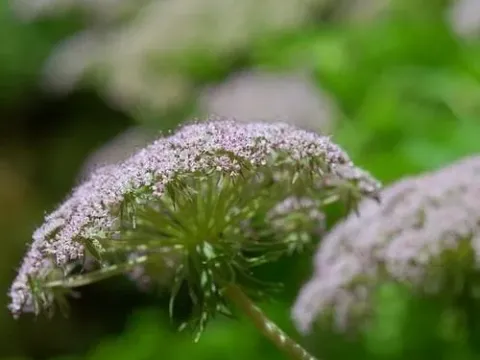
Melanoselinum
Melanoselinum
Melanoselinum, specifically the species Melanoselinum decipiens, is an intriguing perennial plant. Sowing typically begins in early spring when outdoor temperatures stabilize.
What the section contains
Melanoselinum
Seeds benefit significantly from a period of cold stratification, which mimics natural winter conditions and increases germination rates. Sow in a well-draining seed-starting mix.
For best results, use a greenhouse or indoor environment to start seeds about 6–8 weeks before the last frost date. Cover seeds lightly as they need some light to germinate.
Maintain an ambient temperature of approximately 18–20 degrees Celsius. Keep the substrate consistently moist but not waterlogged until germination occurs.
After reaching a manageable size, seedlings should be transplanted into individual pots to encourage strong root development before being moved outdoors.
As a member of the Apiaceae family, Melanoselinum originates from the islands of Madeira. It thrives in temperate, mild climates with well-drained, fertile, loamy soils.
The plant requires a sheltered location with partial shade to full sun. Exposure to harsh afternoon heat can lead to leaf scorch, particularly in warmer climates.
Soil structure is critical; ensure the site is enriched with organic matter. Proper drainage is the most important factor in keeping the plant healthy long-term.
Watering should be regular, focusing on keeping the soil moist but never saturated. Overwatering is the primary cause of failure when cultivating this species.
In regions with cold winters, Melanoselinum should be treated as a container plant. Move it to a frost-free area or a greenhouse during the winter months to ensure survival.
The yield of Melanoselinum is primarily aesthetic or ornamental rather than agricultural in the traditional food-crop sense. However, the plant can reach impressive heights.
Growth is generally vigorous in the second year, with the plant producing its characteristic tall, architectural flower stalks that can reach up to 2 meters in height.
Seed production is the main harvest objective for propagators. Ensure flowers are left on the plant long enough to fully mature and dry before collection.
Careful management of soil nutrients can enhance the size and vigor of the foliage. Excessive nitrogen should be avoided to prevent weak stems.
Sustainability in production is achieved by selecting the healthiest specimens for seed harvesting, ensuring the next generation maintains high genetic quality.
Aphids are the most common pest found on the soft tissues of the plant. Early detection and the use of insecticidal soap can effectively manage populations.
Root rot is the most serious threat to Melanoselinum. It is almost always caused by poor soil drainage and excessive soil moisture, particularly during cooler periods.
Powdery mildew can appear if airflow is insufficient. Proper spacing between plants and avoiding overhead irrigation help to minimize the risk of this fungal disease.
Slugs and snails can cause significant damage to young leaves in spring. Using physical barriers or bait can protect the plant during its vulnerable early growth stage.
General hygiene, such as removing dead leaves and monitoring for pests, is the best strategy to keep Melanoselinum in optimal health throughout the season.