
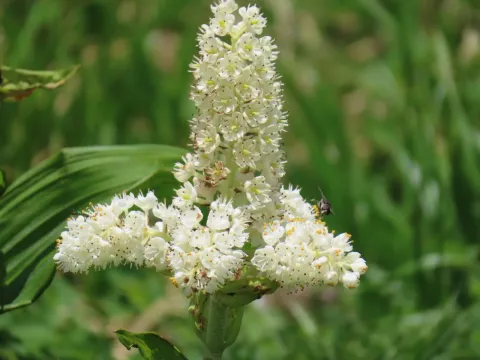
Veratrum stamineum
Veratrum stamineum
Veratrum stamineum is a perennial herbaceous plant belonging to the Melanthiaceae family. Native to regions of East Asia, particularly Japan, this species thrives in subalpine environments, indicating a preference for cooler temperatures and high humidity levels in its natural habitat.
What the section contains
Veratrum stamineum
Agronomically, the crop requires deep, well-draining, and nutrient-rich soils. Loamy textures are ideal as they provide the necessary balance between moisture retention and aeration, which is vital for the development of its robust rhizomatous root system.
Climatic requirements involve moderate exposure to sunlight, with a preference for partial shade during the hottest parts of the day. Consistent moisture is crucial for successful cultivation, although waterlogging must be strictly avoided to prevent root degradation and decay.
The morphology of Veratrum stamineum is characterized by erect stems and broad, alternate leaves. Its botanical structure is adapted to competitive environments, making it a persistent species once established in a suitable microclimate that mimics its native woodland or mountain slopes.
Economically, the plant is valued for its specific alkaloid content, which serves as a base for various pharmacological applications. Because of the toxic nature of these compounds, the management and processing of this crop must be handled with specialized safety protocols.
The primary threats to Veratrum stamineum cultivation are fungal pathogens, specifically those causing root and crown rot. These diseases are most prevalent in overly saturated soil conditions where air exchange is limited, stressing the plant's ability to resist infection.
Pests such as soil-dwelling larvae, including wireworms and various moth caterpillars, pose significant risks by physically damaging the roots and stems. These injuries provide entry points for secondary bacterial or fungal infections that can jeopardize the health of the entire crop.
Integrated Pest Management (IPM) strategies are essential for maintaining the health of the plant. This involves monitoring the soil for pest populations, rotating crops where possible, and maintaining optimal weed control to eliminate alternative hosts for insects and diseases.
Proper plant nutrition plays a vital role in disease suppression. Adequate potassium levels enhance cellular integrity and overall plant resistance to biotic stress, while avoiding excessive nitrogen fertilization helps prevent overly succulent tissue that is prone to aphid and fungal attacks.
Sanitation practices, such as the removal of dead leaf litter and diseased plant parts, are fundamental to managing the environment. By keeping the growing area clean and ensuring proper spacing between plants, growers can significantly reduce the risk of epidemic outbreaks within the plantation.