
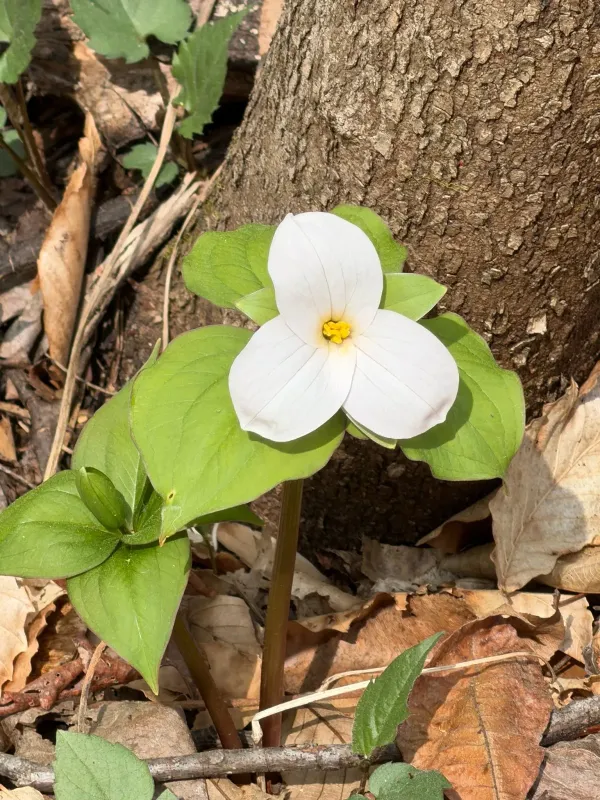
White Trillium
Trillium grandiflorum
Description
Growing requirements
The White Trillium (Trillium grandiflorum) is a perennial herbaceous plant belonging to the Melanthiaceae family. It is native to the rich deciduous forests of North America, where it thrives in the cool, shaded understory.
For successful cultivation, this species requires sites that replicate its natural habitat, emphasizing partial to full shade. It should be protected from harsh midday sun, which can dehydrate the plant and cause necrosis of the leaves.
The soil must be rich in organic matter, such as leaf mold or compost, to maintain fertility and moisture levels. A pH range that is slightly acidic to neutral is ideal for promoting nutrient uptake and ensuring vigorous rhizome development.
Consistent soil moisture is essential for the plant's health, particularly during the spring growth phase. However, gardeners must avoid waterlogged conditions, as poor drainage is the most common cause of failure in trillium establishment.
Commercially, the White Trillium is highly sought after for specialized woodland gardens and naturalistic landscape projects. It is appreciated for its elegant floral architecture and its ability to provide interest in early spring.
Main diseases and pests
The most significant threat to the White Trillium is root rot, typically caused by pathogens thriving in poorly drained soils. Gardeners should ensure a light soil texture by incorporating leaf litter or finely screened compost into the substrate.
Slugs and snails are the primary pests of this plant, often attacking the emerging shoots before they fully expand. Implementing physical barriers or safe baiting methods is often necessary to preserve the foliage and flower display.
Fungal diseases can occur in humid, stagnant air environments, leading to leaf spots or powdery mildew. Improving air circulation around the plants and avoiding overhead irrigation can significantly reduce the incidence of these issues.
Severe winter conditions without an insulating snow cover can lead to rhizome damage in regions outside the plant's native hardiness range. Applying a layer of organic mulch in late autumn acts as a vital protective measure.
Deer and other herbivores occasionally forage on the tender leaves of Trillium grandiflorum. If the plant is located in an area with high wildlife activity, protective cages or repellent sprays may be required to maintain the population.