
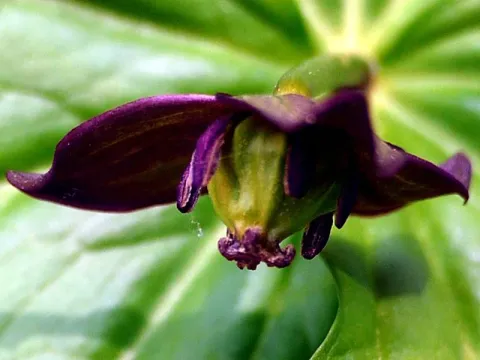
Trillium smallii
Trillium smallii
Trillium smallii is a distinctive perennial member of the Melanthiaceae family, highly valued by plant enthusiasts for its elegant structure. This species is characterized by its signature three-leaf arrangement and a solitary flower that emerges from the center of the whorl.
What the section contains
Trillium smallii
The plant originates from woodland environments, which dictates its specific soil requirements. It thrives in rich, organic-heavy, and slightly acidic soil that retains moisture while providing excellent drainage to prevent the root system from becoming waterlogged.
In terms of light exposure, Trillium smallii is a shade-loving species. It requires filtered or dappled sunlight, typically found under the canopy of deciduous trees. Exposure to direct midday sun is detrimental and can quickly lead to leaf scorching and plant decline.
Maintaining proper soil moisture is critical, especially during the active growing season. Gardeners should implement a layer of organic mulch, such as leaf mold or compost, to keep the root environment cool and consistently moist throughout the warmer months.
This species is characterized by a slow growth rate and tends to be long-lived if provided with stable conditions. It is not recommended to disturb the plant frequently, as it requires significant time to re-establish its root system after being moved or divided.
The primary concern for Trillium smallii is root rot, typically resulting from poor soil drainage or excessive irrigation. Fungal pathogens thrive in waterlogged conditions, making proper soil preparation and the use of raised beds or raised terrain essential for longevity.
Garden pests, particularly slugs and snails, pose a significant risk during the spring as new foliage emerges. Protective barriers or regular manual monitoring are the most effective non-chemical methods to prevent these pests from defoliating the plant.
Aphids may occasionally infest the plant, usually clustering on the undersides of leaves. While rarely fatal, persistent infestations can weaken the plant's overall vigor, necessitating the use of horticultural soaps or targeted insecticidal applications.
To minimize the spread of viral or fungal infections, it is important to practice good hygiene when gardening. All tools used for maintenance, particularly those used for dividing the rhizomes, must be sterilized to prevent cross-contamination between plants.
During the winter, protection against extreme soil temperature fluctuations is necessary in colder climates. Applying a light layer of pine needles or dry leaves serves as an effective natural insulator, preventing frost heaving of the rhizomes from the soil surface.