
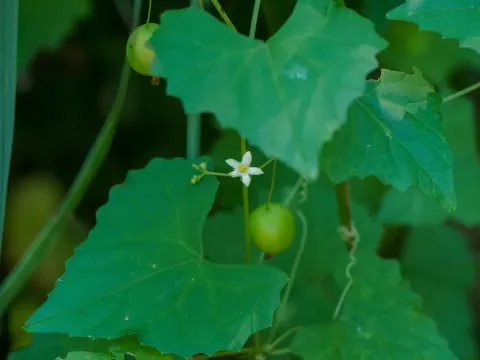
Melothria formosana
Melothria formosana
Melothria formosana is a heat-loving crop, making the timing of sowing critical for successful establishment. In temperate regions, sowing should occur in late May, ensuring all risks of frost have passed.
What the section contains
Melothria formosana
Starting seeds indoors 3–4 weeks before the anticipated frost-free date is highly recommended. Using seedling trays with high-quality potting mix allows for vigorous root development before transplanting.
When direct sowing, ensure the soil temperature is consistently above 20 degrees Celsius. Seeds should be placed at a shallow depth, roughly 1–2 cm, to facilitate quick germination.
Plant spacing should be approximately 45–50 cm apart. As a fast-growing vine, it requires adequate space to spread and establish its foliage canopy for maximum energy production.
Proper hardening-off procedures are essential for greenhouse-grown seedlings. Gradually exposing young plants to outdoor conditions reduces transplant shock and improves field survival rates.
This species belongs to the Cucurbitaceae family and thrives in well-drained, fertile soils rich in organic matter. A neutral soil pH level is ideal for nutrient uptake.
Regular fertilization with balanced nutrients is necessary to support the plant's rapid growth. Potassium and phosphorus are particularly important during the flowering and fruit-setting stages.
Moisture management is key; the soil should be kept consistently moist but not waterlogged. Overhead irrigation should be avoided to minimize the risk of foliar diseases.
The use of trellises or vertical support structures is vital. Keeping the vines off the ground enhances air circulation, which is essential for disease prevention and fruit quality.
The plant requires full sun exposure for at least 6–8 hours per day. Limited sunlight will result in weak, leggy vines and significantly reduced flower production.
Common pests include spider mites and aphids, which are particularly troublesome during hot and dry spells. Frequent monitoring of the leaf undersides is recommended for early detection.
Fungal diseases like powdery mildew pose a significant threat, especially in humid conditions. Maintaining good ventilation through proper pruning and spacing is a primary defense.
Crop rotation is essential for long-term soil health. Avoiding planting the crop in areas where other cucurbits were grown recently helps prevent the buildup of soil-borne pathogens.
Implementing integrated pest management (IPM) strategies, including the use of beneficial insects, can effectively control pest populations without relying on harsh chemicals.
Regular inspection of the root system and leaves helps identify nutrient deficiencies or stress factors early, allowing for timely intervention before yields are impacted.
Harvesting Melothria formosana begins about 60 to 70 days after planting. Fruits should be picked while still firm and relatively small for the best culinary experience.
Consistent harvesting is the best way to encourage continuous fruit production throughout the growing season. If fruits are left too long, the plant redirects energy to seed development.
The fruits are highly versatile and possess a crisp texture. They can be enjoyed fresh in salads or pickled whole to preserve their unique, refreshing flavor profile.
Post-harvest handling requires gentle care to avoid bruising. The fruits should be kept in a cool, ventilated area if not used immediately, though they are best consumed fresh.
Harvesting should be completed before the onset of the first autumn frosts. Cold exposure quickly degrades fruit quality, making them unsuitable for storage or fresh consumption.