
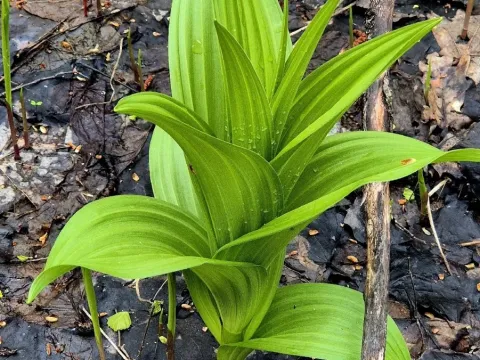
Veratrum lobelianum
Veratrum lobelianum
Veratrum lobelianum is a perennial herb belonging to the Melanthiaceae family. It is typically propagated through seeds or the division of rhizomes in established commercial plantations.
What the section contains
Veratrum lobelianum
Seeds require a prolonged period of cold stratification to break dormancy, which mimics natural conditions where seeds germinate after winter exposure.
Vegetative propagation involves dividing mature rhizomes in early spring. This method is preferred to maintain genetic consistency and achieve faster maturation of the crop.
Growth is remarkably slow in the initial years, with the plant dedicating its energy to establishing a deep and robust root system before significant aerial growth appears.
Optimal site selection is crucial during the planting phase to ensure that the moisture requirements of the crop are met from the start of the growth cycle.
The plant thrives in fertile, humus-rich, and moist soils. It prefers loamy textures that provide a balance between moisture retention and essential soil drainage.
Neutral to slightly acidic soil pH is ideal for promoting optimal nutrient uptake and general plant vigor in commercial cultivation settings.
Veratrum lobelianum is highly winter-hardy, adapting well to the temperate climates of Eurasia, and requires consistent moisture throughout the growing season.
While it can tolerate some sun, it performs best in partial shade, mimicking the conditions of moist meadows or woodland fringes where it occurs naturally.
The avoidance of stagnant water is essential to prevent root asphyxiation, which can lead to severe crop losses during the early spring thawing period.
The yield of medicinal rhizomes is typically harvested after 5 to 6 years of growth, which allows the plant to reach its peak concentration of active alkaloids.
Commercial yields of dried rhizomes can reach up to 3–5 tons per hectare when proper fertilization and consistent irrigation are implemented during the growth phase.
The vegetative parts of the plant, including leaves and stems, are sometimes harvested for use as natural insecticides due to the presence of potent toxic compounds.
Productivity is maximized through meticulous crop management, including the removal of weeds that might compete for nutrients and light during the critical development stages.
Consistent monitoring of soil fertility and biological health ensures high-quality output, which is essential for pharmaceutical applications of the plant's alkaloids.
Due to its high concentration of poisonous steroidal alkaloids, Veratrum lobelianum is remarkably resistant to many common agricultural pests and herbivores.
Fungal pathogens such as Fusarium species can pose a threat, particularly if soil drainage is inadequate or if planting density is too high, creating humid conditions.
Foliar diseases, including various types of leaf spot, can occur in damp seasons, necessitating the use of targeted fungicides or improved ventilation techniques.
Soil-dwelling larvae can sometimes damage the roots, so prophylactic measures like proper soil preparation before planting are recommended to mitigate these risks.
Regular surveillance of the plantation is vital to identify early signs of pathogen outbreaks, allowing for timely intervention before significant economic damage occurs.
The harvest of rhizomes occurs in late autumn after the aerial parts have withered, signaling that nutrients have been sequestered into the underground organs.
The rhizomes are mechanically lifted, thoroughly washed to remove soil, and cut into smaller pieces to facilitate efficient drying and subsequent processing.
Drying must be conducted in temperature-controlled environments, keeping below 50°C to preserve the chemical integrity of the active pharmacological compounds.
Proper storage is mandatory, requiring ventilated areas away from moisture and direct sunlight, with strict labeling indicating the toxic nature of the material.
Personal protective equipment is non-negotiable during harvesting and processing to prevent accidental inhalation or skin contact with the potent alkaloids.