
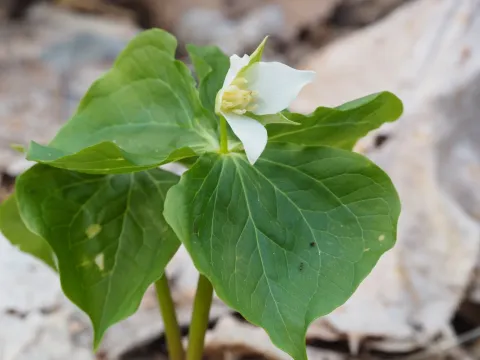
Trillium tschonoskii
Trillium tschonoskii
Trillium tschonoskii is a perennial herbaceous plant belonging to the Melanthiaceae family. It is native to the forests of East Asia, including Japan and the Korean Peninsula, where it thrives in cool, temperate woodland environments.
What the section contains
Trillium tschonoskii
The plant requires deep to partial shade to mimic its natural habitat. Exposure to direct sunlight is detrimental, as it causes leaf scorch and dehydration, significantly weakening the rhizome.
The soil should be rich in leaf mold, well-draining, and slightly acidic. Incorporating organic amendments such as compost or decomposed forest litter is essential for providing the necessary nutrients and maintaining soil structure.
Consistent soil moisture is critical, especially during the active growing phase. While the soil should be kept moist, it must never become waterlogged, as poor drainage is the leading cause of rhizome failure in this species.
Annual mulching is a key agricultural practice. It regulates soil temperature, retains moisture, and provides a gradual release of nutrients, effectively supporting the growth cycle and longevity of the plant.
Fungal pathogens, particularly those causing root rot, are the primary threat to Trillium tschonoskii. These infections usually develop in heavy, poorly aerated soils where moisture remains trapped for long periods.
Slugs and snails are the most common pests that feed on the tender foliage of the plant. A single infestation can cause significant structural damage to the plant's photosynthetic system.
Protecting the plant from mechanical damage is equally important, as the growth is slow and recovery takes several years. Keeping the planting area free of debris helps in early pest detection.
Overcrowding plants in a garden bed creates a humid environment conducive to leaf spot diseases. Proper spacing is mandatory to ensure adequate airflow around the foliage and reduce humidity buildup.
In cases of severe infestation or disease, targeted systemic fungicides or molluscicides should be used with caution, following integrated pest management protocols to ensure environmental safety.