
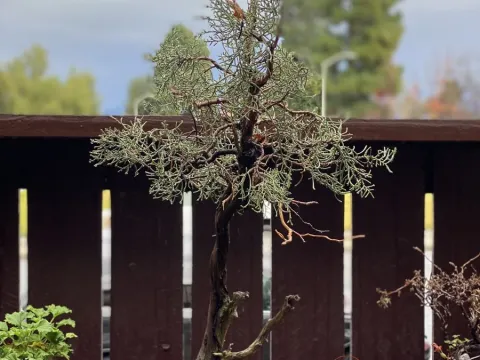
Mendocino cypress
Cupressus pygmaea
The Mendocino cypress (Cupressus pygmaea) is a member of the Cupressaceae family. It is an endemic species restricted to the coastal terraces of northern California. In its native habitat, it shows significant morphological variation, appearing either as a stunted shrub or a taller tree depending on the nutrient content of the soil.
What the section contains
Mendocino cypress
The cultivation of this species requires well-draining, acidic, and nutrient-poor soils. In an agricultural or nursery setting, providing excellent aeration for the root system is critical, as the species is highly susceptible to root rot in compacted or waterlogged ground.
The plant thrives in Mediterranean-type climates, characterized by cool, moist winters and mild, relatively dry summers. While it prefers full sun, in warmer climates, protecting the plant from intense afternoon heat helps prevent needle desiccation and maintains the deep green color of its foliage.
Cultural practices should be minimalist. The Mendocino cypress is not a heavy feeder; therefore, over-fertilization should be strictly avoided as it leads to weak, forced growth. Proper irrigation should mimic natural cycles, keeping the soil moist but never saturated.
The primary use of Cupressus pygmaea is in horticultural and landscape design. It is highly valued for its compact, slow-growing habit, making it an excellent choice for rock gardens, containers, and specialized alpine landscapes where low-maintenance, ornamental conifers are required.
Phytophthora root rot is the most devastating disease for the Mendocino cypress. This pathogen thrives in moist conditions and attacks the vascular system of the tree, typically resulting in the sudden yellowing and death of the entire plant, for which there is often no cure.
Spider mites are common pests that thrive in dry, dusty conditions. They feed on the chlorophyll of the needles, causing them to appear mottled or yellowish. Regular monitoring, especially during dry spells, and thorough washing of the foliage can help manage their populations.
Scale insects can also infest the stems and branches of the tree, appearing as small, waxy bumps. These pests suck the sap and weaken the plant’s overall health. Treatment involves systemic insecticides or horticultural oils applied during the crawler stage of the insect’s life cycle.
Sanitation is a vital aspect of pest and disease management. Pruning out dead or crossing branches improves air circulation through the canopy, which effectively reduces the humidity levels that fungal spores require to germinate and colonize the needles.
Maintaining plant vigor through balanced irrigation and avoiding mechanical damage to the trunk or roots is the best line of defense against most opportunistic pathogens. Ensuring the plant is not overcrowded with other vegetation helps prevent the spread of pests from neighboring plants.