
Zigadenus
Zigadenus
Zigadenus is a genus of perennial herbaceous plants belonging to the Melanthiaceae family. It is widely known in botanical literature as a toxic plant, often referred to by common names such as death camas, and it holds no agricultural value as a crop.
What the section contains

Zigadenus
Native to temperate regions of the Northern Hemisphere, particularly North America, Zigadenus thrives in diverse habitats including open prairies, mountain slopes, and meadows. It prefers well-drained soils and is highly adaptable to various moisture levels during the growing season.
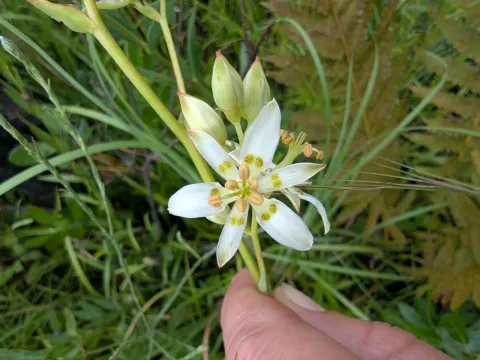
The plant grows from a bulb that resembles a common onion, making it easily confused with edible bulbs. Its foliage consists of linear, grass-like leaves, and it produces a terminal inflorescence with numerous small, star-shaped flowers that range from white to greenish-yellow.
Environmental requirements for Zigadenus include exposure to sunlight and cold-hardiness. It is well-adapted to surviving harsh winters by entering a dormant phase, during which the bulb remains protected deep within the soil structure.
From an agricultural standpoint, Zigadenus is strictly categorized as a harmful weed. Its presence in pastures creates significant economic risk, as it is one of the most toxic plants for livestock, necessitating strict management and eradication programs on grazing lands.
The primary threat associated with Zigadenus is its extreme toxicity. All plant parts contain steroidal alkaloids, specifically zygadenine, which cause rapid onset of symptoms in livestock, including respiratory failure, excessive salivation, and cardiac distress.
Pathogenic threats to Zigadenus itself are minimal. Because of its potent chemical defense mechanisms, it is rarely impacted by insect pests or common fungal diseases, allowing it to outcompete native grasses in some degraded environmental conditions.
Management of Zigadenus involves mechanical removal, specifically pulling the plant out with the entire bulb. Chemical control is difficult and often requires specialized, high-potency herbicides to ensure the perennial root system is completely destroyed.
Wildlife and livestock poisoning events are most frequent in early spring. During this time, Zigadenus often emerges before desirable forage grasses, making it a dangerous and attractive target for hungry animals emerging from winter.
Integrated weed management strategies for Zigadenus include maintaining healthy pasture cover to limit the plant's spread and monitoring grazing areas closely to prevent consumption. In areas of high density, land clearing and reseeding with competitive forage species is the most effective approach.