
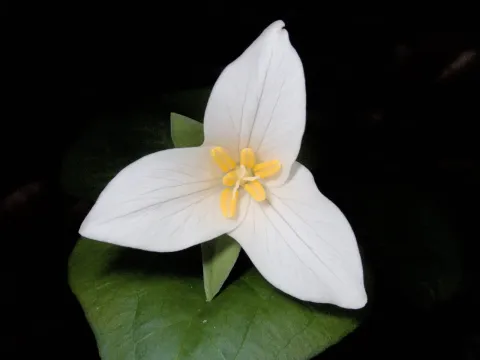
Trillium ovatum
Trillium ovatum
Trillium ovatum, commonly known as the western trillium, is a herbaceous perennial belonging to the Melanthiaceae family. It is native to the western regions of North America, where it thrives in shaded, moist forest floor habitats enriched with decayed organic matter.
What the section contains
Trillium ovatum
Cultivating this species requires mimicking its natural environment: it demands well-drained, humus-rich soil that retains moisture without becoming waterlogged. Neutral to slightly acidic soil conditions are ideal for fostering healthy root development in this perennial plant.
Climate requirements for Trillium ovatum include a temperate setting with consistent moisture throughout the growing season. The plant performs best in shaded areas where it is protected from harsh afternoon sun, which can quickly desiccate its leaves and lead to premature dormancy.
Botanically, it features a singular stem with three whorled leaves and a solitary flower with three white petals that transition to pink as they age. Its growth rate is characteristically slow, requiring several years to reach maturity from seeds, making it a prized plant for patient gardeners.
In landscaping, it is used as a premium ornamental plant for woodland gardens and shaded rockeries. Its unique life cycle and delicate aesthetic make it a favorite for collectors who specialize in native plant species and temperate perennial borders.
The primary threats to Trillium ovatum in a garden setting are slugs and snails, which can devastate the foliage in early spring. Installing copper barriers or using non-toxic slug bait can effectively manage these pests and protect the emerging growth.
Root rot is a significant disease risk associated with excessive soil moisture and poor drainage. If the planting site lacks sufficient percolation, the rhizomes may decay, leading to the rapid loss of the plant during the dormant period.
Fungal leaf spots can occur during periods of high humidity and poor airflow. Ensuring that the plants are spaced properly allows for better ventilation, which prevents the build-up of excess moisture on the leaf surfaces and inhibits the development of spores.
Small mammals, particularly voles, may target the underground rhizomes, especially during winter months when food is scarce. Protecting new plantings with wire mesh baskets is a standard practice to prevent underground damage to the root system.
Maintaining a clean garden environment by removing dead foliage and debris reduces the habitat available for pests and pathogens. With appropriate site selection and basic maintenance, Trillium ovatum remains a robust and trouble-free perennial for the shade garden.