
Trillium chloropetalum
Trillium chloropetalum
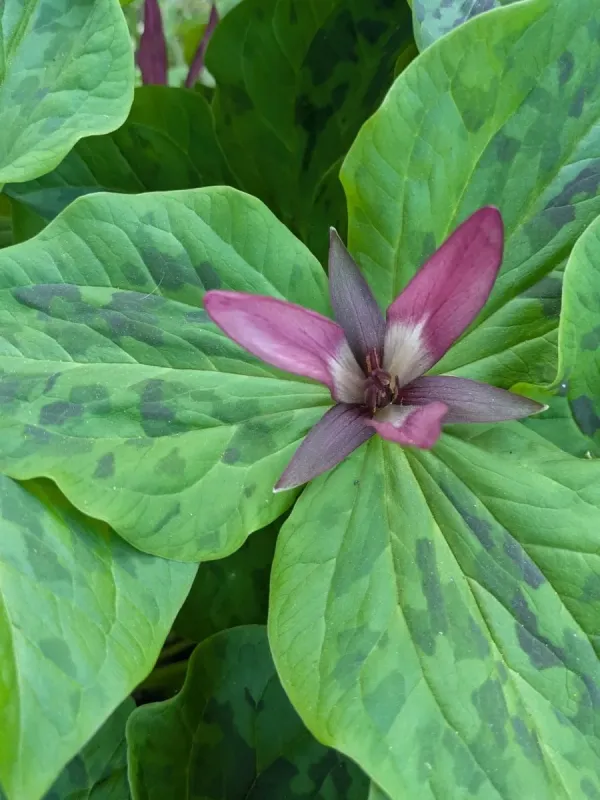
Description
Sowing dates
Trillium chloropetalum is a slow-growing herbaceous perennial belonging to the Melanthiaceae family. It is typically propagated by dividing mature rhizomes during the plant's dormancy phase.
Growing from seed is a long-term project, as seeds require stratification and may take one or two years to germinate. Freshly harvested seeds should be sown into a moist, organic-rich substrate.
The best time to transplant or divide the rhizomes is in early spring or autumn. Care must be taken to preserve the delicate root system during handling to ensure successful establishment.
Rhizomes should be planted at a depth of approximately 5 to 10 centimeters. Adequate spacing, usually 30-40 centimeters, is necessary to prevent overcrowding and to promote healthy growth.
Young plantings require consistent care and protection. Mulching the area helps to maintain soil moisture and provides a protective layer against temperature fluctuations in the root zone.
Growing requirements
This species thrives in shaded or semi-shaded environments, mimicking its native habitat in forest understories. Exposure to direct sunlight for extended periods can cause leaf scorch and dehydration.
The soil must be rich in organic matter, loose, and well-draining. A slightly acidic to neutral forest soil profile provides the ideal conditions for the rhizomes to flourish.
Consistent soil moisture is crucial for the health of Trillium chloropetalum. The plant does not tolerate standing water, which may lead to rot, nor does it thrive in overly dry soil.
In regions experiencing harsh winters, a layer of leaf mulch is recommended to protect the underground rhizomes from extreme frost and to replenish soil nutrients.
Maintenance fertilization should be minimal. Applying a small amount of compost annually is sufficient to support plant vigor without interfering with its delicate physiological balance.
Main diseases and pests
Slugs and snails are the most frequent pests, as they feed on the succulent young shoots and leaves. Protecting the plants with barriers or organic deterrents is often necessary.
Root rot is a common threat caused by poorly drained or waterlogged soils. This condition can be fatal, requiring immediate attention to drainage improvement and soil aeration.
Fungal leaf spot diseases can occur if plants are situated in areas with stagnant air and high humidity. Maintaining proper spacing between plants helps to reduce disease risks.
Small mammals, such as mice or voles, may occasionally dig up or consume rhizomes during the winter, necessitating the use of hardware cloth or mesh at planting time.
Preventive care focuses on monitoring the moisture levels and avoiding excessive nitrogen, which can lead to soft tissue growth that is more susceptible to disease and pest damage.
Harvesting
Trillium chloropetalum is primarily utilized for ornamental purposes in gardens, particularly in woodland, shade, or naturalistic planting schemes where its architectural beauty can shine.
The blooming phase typically occurs in mid-spring. While the flower itself is stunning, the broad, mottled leaves remain a significant ornamental feature throughout the growing season.
Seed collection can be performed once the seed capsules soften and turn brown, indicating maturity. Seeds should be sown as soon as possible after harvest to maximize viability.
In landscaping, this plant is best grouped in drifts to create a lush, aesthetic impact. It pairs exceptionally well with other shade-loving plants like ferns and hostas.
After the growth cycle, the plant naturally enters a period of dormancy. During this phase, it is best to leave the area undisturbed to protect the rhizomes for the following year.