
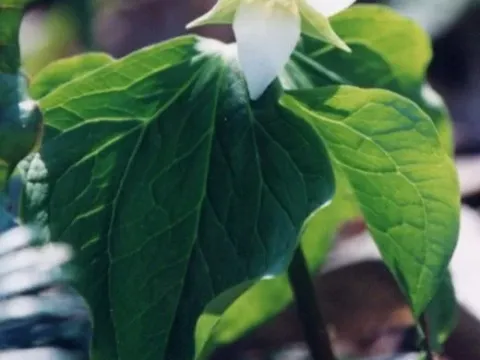
Trillium camschatcense
Trillium camschatcense
Trillium camschatcense is a perennial herbaceous plant belonging to the Melanthiaceae family. Native to the damp forest regions of the Russian Far East and parts of Japan, it is well-adapted to cool, temperate forest environments.
What the section contains
Trillium camschatcense
The plant thrives in partial to deep shade, making it an excellent choice for woodland gardens. It requires protection from direct sunlight, which can rapidly dehydrate its delicate foliage and lead to physiological stress.
Soil quality is paramount for this species. It demands a rich, humus-heavy substrate that remains consistently moist but maintains excellent drainage. Acidic to neutral soil profiles are preferred for optimal nutrient uptake.
Cultivation success depends on stable moisture conditions. Regular irrigation is necessary during dry spells, as the plant lacks effective drought-tolerance mechanisms common in steppe species.
Mulching with organic matter is highly recommended to mimic natural forest floor conditions. This practice helps stabilize soil temperature, retains moisture, and provides a slow-release nutrient source for the roots.
Root rot is the most significant threat to Trillium camschatcense. It occurs primarily when the drainage is inadequate, leading to waterlogged soil conditions that invite anaerobic bacteria and fungal pathogens.
Gastropods, particularly slugs and snails, are frequent pests that target the plant's broad, soft leaves. During wet seasons, these pests can cause extensive defoliation if left uncontrolled.
Fungal leaf spot diseases may appear if the plant is grown in areas with poor air circulation. Ensuring appropriate spacing between plants helps to reduce humidity levels around the foliage.
Small mammals and rodents may dig up or gnaw on the fleshy rhizomes during winter. Protective measures, such as wire mesh or repellent substances, can safeguard the plantings from such damage.
Integrated pest management, including regular visual inspections, is crucial. Early detection of any irregular spots or wilting allows for prompt intervention before the plant's structural integrity is compromised.