
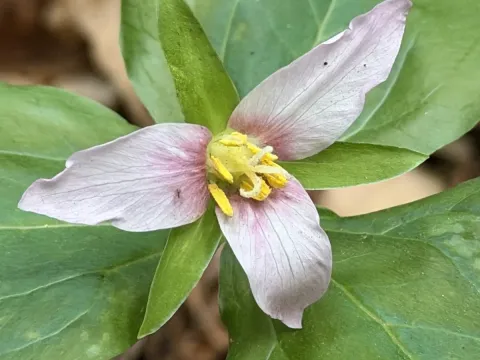
Trillium
Trillium
Trillium is a genus of perennial herbaceous plants belonging to the Melanthiaceae family. Native to temperate regions of North America and Asia, these plants are highly valued in ornamental horticulture for their unique three-petaled flowers and distinct foliage structure.
What the section contains
Trillium
The crop requires specialized environmental conditions, primarily deep, humus-rich, and slightly acidic or neutral soils. Good drainage is essential, as the fleshy rhizomes are susceptible to rot if allowed to sit in water-logged substrate during the dormant season.
In terms of climate, Trillium thrives in shaded or semi-shaded environments. Direct solar radiation can severely scorch the leaves; therefore, planting them under the canopy of deciduous trees or in shaded border areas is considered an optimal agricultural practice.
Soil moisture must be maintained consistently throughout the growing season. While the plant prefers damp forest conditions, it cannot tolerate standing water, making soil aeration and the use of leaf mulch vital for preserving the soil structure and temperature.
Cultivation requires patience, as Trillium is a slow-growing plant. Propagation is typically achieved through division of rhizomes during the dormant period or through meticulous seed germination, which often requires specific cold-stratification cycles to break dormancy.
Slugs and snails are the most significant pests for Trillium, often destroying emerging shoots and leaves. Integrated pest management, including physical barriers like crushed eggshells or environmentally safe molluscicides, is recommended for effective control.
Fungal infections, such as root rot or Botrytis blight, may occur in poorly drained soils with insufficient air circulation. Reducing overhead irrigation and ensuring adequate spacing between individual plants can help mitigate these risks significantly.
Small rodents and voles can cause catastrophic damage to the underground rhizomes during winter months. Protecting the planting site with fine-mesh wire guards is a common preventive measure used by professional growers in vulnerable areas.
Foliar diseases, including leaf spot, may appear during prolonged periods of high humidity. Regular scouting and immediate removal of affected plant tissue are necessary to prevent the spread of fungal spores across the planting bed.
Viral pathogens may manifest as stunted growth or leaf mottling. Because there are no chemical cures for viral infections, strict sanitation practices, including the sterilization of tools and the destruction of infected plants, are mandatory for maintaining a healthy collection.