
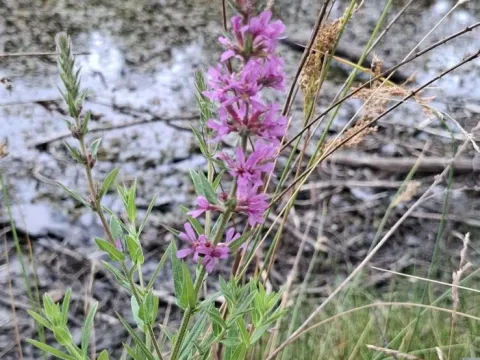
Lythrum anceps
Lythrum anceps
Seeds of Lythrum anceps should be sown in the spring once the soil temperature consistently reaches 12–15 degrees Celsius. Early May is generally considered the optimal time for outdoor sowing.
What the section contains
Lythrum anceps
Starting the crop from seedlings indoors during March can provide a head start, ensuring stronger plants by the time they are transplanted into the field after the danger of frost has passed.
Surface sowing is recommended for these small seeds, covering them with no more than 1–2 centimeters of fine soil to ensure they receive enough light to germinate effectively.
When planting in rows, maintaining a spacing of 30–40 centimeters is crucial to prevent competition for nutrients and to allow for adequate airflow around the base of the plant.
Consistently moistening the seedbed is essential during the initial weeks, as dry conditions can significantly inhibit germination rates in this moisture-loving species.
Lythrum anceps belongs to the Lythraceae family and is recognized as a hardy perennial. It is native to East Asia, where it typically thrives in wetlands and moist environments.
The plant requires soils with high moisture retention and significant organic content. It is well-adapted to areas that may experience seasonal flooding or poor drainage.
While it prefers full sun for optimal nectar production, it is capable of performing well in partial shade, making it a versatile choice for various landscape settings.
A neutral to slightly acidic soil pH is ideal for the cultivation of this species. Highly alkaline environments should be avoided, as they can hinder nutrient uptake and overall vigor.
This plant exhibits excellent winter hardiness, allowing it to persist in temperate climates without requiring supplemental protection during the colder months of the year.
The primary economic utility of Lythrum anceps lies in its high value as a honey plant, attracting a large number of pollinators during its extended flowering season.
Yields of nectar are highly dependent on environmental conditions, particularly humidity and temperature, which dictate the daily secretion capacity of the flowers.
Beyond apiculture, the plant is valued for its pharmaceutical potential, as it contains tannins and flavonoids utilized in traditional medical and herbal preparations.
The potential for using the biomass as a source of organic dyes is an emerging area of interest for sustainable agricultural enterprises focusing on raw materials.
To ensure high performance, farmers should prioritize consistent moisture management and seasonal fertilization to support the dense growth of the floral stalks.
Fungal pathogens represent the most significant threat to the health of Lythrum anceps, especially when the plants are grown in overcrowded conditions with poor air circulation.
Insect pests such as aphids are common, targeting the tender terminal growth of the plants and reducing the overall vitality and aesthetic appeal of the crop.
Preventive management practices, including the removal of debris and proper site selection, are effective ways to mitigate the spread of both diseases and pests.
Integrated pest management strategies should be applied to protect the local bee population while maintaining the health of the plants throughout the season.
- Powdery mildew under high humidity conditions
- Aphid infestations on young leaves and stems
- Root rot caused by stagnant water conditions