
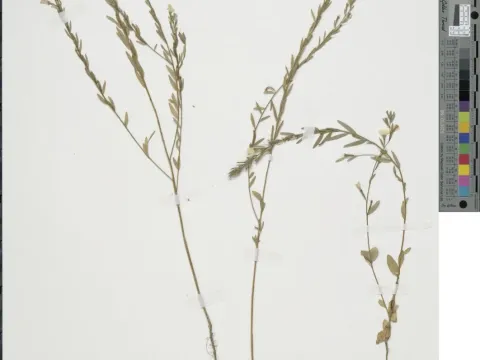
Lythrum acutangulum
Lythrum acutangulum
Lythrum acutangulum, commonly known as a species of loosestrife, is a perennial herbaceous plant belonging to the Lythraceae family. It is naturally adapted to wetland ecosystems, including floodplains and the margins of water bodies.
What the section contains
Lythrum acutangulum
Botanically, the plant is characterized by its distinctively angled (acutangular) stems, which set it apart from other species within the genus. Its root system is robust, allowing it to anchor securely in muddy or waterlogged soils.
For cultivation, this species requires a site with high moisture retention and exposure to direct sunlight. While it is hardy, it thrives best in nutrient-rich loamy soils that can sustain its vigorous growth cycle throughout the season.
Agricultural practices for this crop focus on managing water levels and ensuring the soil remains consistently moist. It is considered a low-maintenance crop once established, provided the environmental conditions mimic its native swampy habitats.
The economic value of this plant is multifaceted, serving as a reliable source of nectar for pollinators and as a botanical source for tannins used in traditional textile dyeing and pharmaceutical preparations.
The primary health risks for this species include fungal infections such as powdery mildew, which thrive when plants are grown in poorly ventilated or excessively stagnant environments.
Pests such as aphids and leaf-eating beetles can occasionally cause significant damage to the foliage, especially when environmental stress weakens the plant’s natural defenses.
To maintain high productivity, it is essential to monitor for signs of infestation and implement preventative spacing measures to ensure adequate airflow between individual plants.
Integrated pest management strategies should favor environmentally friendly solutions to preserve the biodiversity of the ecosystem where these plants are grown.
Proper soil fertility management and periodic removal of diseased plant debris are crucial steps in preventing the spread of pathogens throughout the cultivation area.