
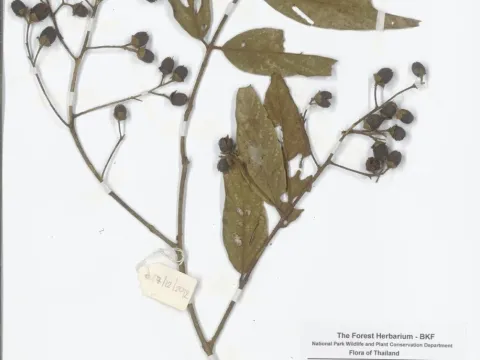
Lagerstroemia tomentosa
Lagerstroemia tomentosa
Lagerstroemia tomentosa is a prominent member of the Lythraceae family. This large deciduous tree species is well-known for its impressive height and straight bole, often reaching up to 30 meters in mature forest ecosystems.
What the section contains
Lagerstroemia tomentosa
Originating from the tropical regions of Southeast Asia, this tree is native to countries like Myanmar, Thailand, and Laos. It thrives in monsoon-influenced climates, showing high adaptability to seasonal environmental changes.
Successful cultivation requires deep, well-draining soil with a high content of organic matter. The species is highly sensitive to waterlogging, which necessitates careful site selection and preparation before planting.
Climatic requirements focus on consistent warmth and protection from extreme, drying winds. While the tree shows resilience in its native range, managed plantations require a steady moisture supply during the initial growth stages.
The tree is highly valued for its durable and aesthetically pleasing timber, which is commonly utilized in high-quality furniture making, heavy-duty flooring, and exterior construction materials due to its decay resistance.
The most common threats to Lagerstroemia tomentosa include various fungal infections, particularly powdery mildew, which can significantly affect leaf development and photosynthesis in younger plants.
Pest pressure is frequently observed from wood-boring insects. These larvae can penetrate the trunk, compromising the structural integrity of the wood and rendering it less valuable for commercial timber production.
Root rot, driven by poor drainage and excessive soil moisture, remains the primary concern for agronomists managing this crop. It often leads to systemic failure of the tree if left untreated early.
Defoliating insects can occasionally cause outbreaks that impact the overall vitality of plantations. Integrated pest management strategies, such as promoting natural predators and selective thinning, are standard practice.
Effective management requires strict adherence to silvicultural guidelines, including regular removal of diseased wood and maintaining optimal spacing between individual trees to ensure proper air circulation.