
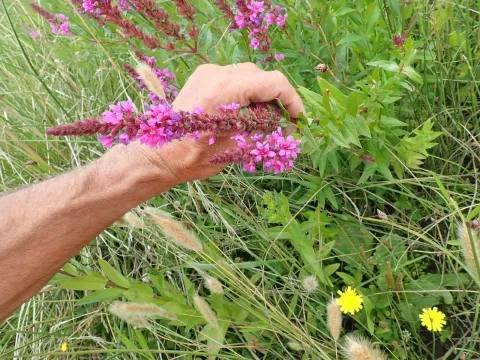
Loosestrife
Lythrum L.
Seeds of Lythrum should be sown in late autumn to benefit from natural cold stratification. If spring sowing is preferred, it should be done in April once the soil has adequately warmed up.
What the section contains


Loosestrife
When starting indoors, seeds are surface-sown in February or March. Because the seeds are tiny and require light for germination, they should not be covered with a thick layer of soil.
Seedlings should be pricked out into individual pots once the first true leaves have developed. This process encourages a strong, fibrous root system necessary for successful transplanting.
Transplanting to the permanent location in the field occurs in May. It is essential to ensure that the risk of frost has passed before moving plants outdoors.
Spacing is critical for this crop; plants should be set 40 to 60 centimeters apart to prevent overcrowding and ensure adequate airflow around the foliage.
The genus Lythrum, belonging to the Lythraceae family, is famous for its preference for moist environments. It thrives in soils that retain water well, such as loams and silts.
This crop performs best in full sun, which is necessary for the production of its signature vibrant inflorescences. Partial shade may lead to leggy, weak stems that collapse easily.
Soil fertility is important for optimal yields; adding organic matter like compost before planting provides the necessary nutrients for vigorous growth.
Lythrum species are typically winter-hardy and survive harsh winters in temperate climates without the need for additional protective mulching.
Consistent moisture is the primary requirement for success. In areas with low rainfall, irrigation systems must be employed to mimic the plant's natural wetland habitat.
The Loosestrife beetle is the most significant pest associated with this crop. It feeds on the leaves and can significantly impact the plant's photosynthetic capacity.
Fungal issues, particularly powdery mildew, can occur during periods of high humidity and stagnant air. Proper spacing is the most effective cultural control method.
In cases of severe infestation, targeted insecticide applications are required to protect the crop yield and overall plant health throughout the season.
Keeping the field free of invasive weeds is essential to prevent pests from utilizing secondary host plants during the off-season.
- Monitor for leaf damage regularly during the early summer.
- Use systemic fungicides at the first sign of leaf spotting or mildew.
- Clean cultivation equipment to prevent the spread of fungal spores.