
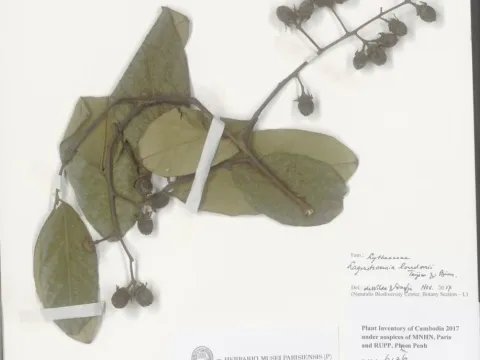
Lagerstroemia loudonii
Lagerstroemia loudonii
Lagerstroemia loudonii is a distinguished member of the Lythraceae family, known for its aesthetic value and robust growth habit. This plant typically develops as a large shrub or a small, graceful tree, often utilized in warmer climates for landscape ornamentation.
What the section contains
Lagerstroemia loudonii
Originating from Southeast Asia, the plant thrives in tropical and subtropical regions. It requires abundant sunlight to stimulate maximum blooming capacity, as shaded environments often result in sparse flowering and elongated, weak stems.
Cultivation success depends heavily on the quality of the soil, which should be fertile, well-draining, and slightly acidic. Proper soil structure is essential to prevent waterlogging, which the root system of this species is highly sensitive to.
Since the plant is not frost-tolerant, it is often managed as a container plant in temperate regions. During the growing season, it benefits from warm temperatures and high humidity, while winter dormancy requires protection from freezing conditions.
Agrotechnical practices involve consistent irrigation and balanced fertilization throughout the spring and summer. Pruning is a critical maintenance task, performed annually to encourage new growth and maintain the desired aesthetic shape of the canopy.
The primary health concerns for Lagerstroemia loudonii involve fungal diseases, most notably powdery mildew, which can significantly damage the foliage if moisture management is inadequate.
Pest pressure is frequently observed from sap-sucking insects like aphids and spider mites. These pests thrive in dry environments and can compromise plant vitality if left unmanaged.
Effective pest control includes monitoring the underside of leaves for early infestation signs and applying appropriate insecticides or horticultural oils when necessary.
Cultural hygiene, such as removing fallen debris around the base of the plant, significantly reduces the overwintering potential of various pests and fungal spores.
Strategic use of systemic fungicides is recommended if signs of foliar diseases appear, particularly during periods of high humidity and limited air movement.