
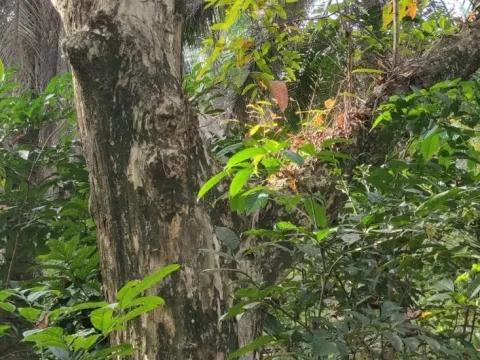
Andaman crape myrtle
Lagerstroemia hypoleuca
Lagerstroemia hypoleuca, commonly known as the Andaman crape myrtle, is a significant tree species belonging to the Lythraceae family. It is native to the tropical forests of the Andaman Islands, characterized by its impressive height and unique bark patterns.
What the section contains
Andaman crape myrtle
The culture requires tropical climate conditions to thrive, preferring regions where temperatures remain consistently warm throughout the year. It has low tolerance for frost, making it suitable only for specific geographic zones or controlled indoor environments.
Regarding soil requirements, the species performs best in fertile, well-drained loamy soils. Maintaining a consistent moisture level is vital, particularly during the juvenile stages of development to ensure steady growth and establishment.
Agrotechnical practices involve scheduled irrigation and periodic pruning to maintain structural integrity. Providing adequate space for root expansion is crucial, as the tree develops a wide and deep root system that supports its massive canopy.
Economically, this tree is valued for its high-quality timber, which is dense and resistant to various environmental factors. It is also an excellent ornamental choice for botanical gardens and large-scale landscaping projects in tropical regions.
Powdery mildew is a primary disease threat, particularly in humid environments with poor air circulation. This fungal issue can significantly compromise the aesthetic value and vitality of the tree if left untreated.
Insect pests such as aphids and scale insects are known to infest the plant, feeding on sap and weakening the branches. Integrated pest management techniques should be employed to mitigate these infestations effectively.
Root rot caused by waterlogged soil is a common physiological threat to this species. Ensuring excellent drainage through soil amendments is the best preventative strategy for maintaining long-term tree health.
Defoliating insects can occasionally cause damage to the leaves during the peak growing season. Regular inspections and early intervention with biological control agents are recommended to maintain a healthy foliage canopy.
Nutrient deficiencies, particularly iron chlorosis, can occur in alkaline soils. Applying chelated iron and balanced NPK fertilizers can correct these issues and promote a lush, deep green leaf color.