
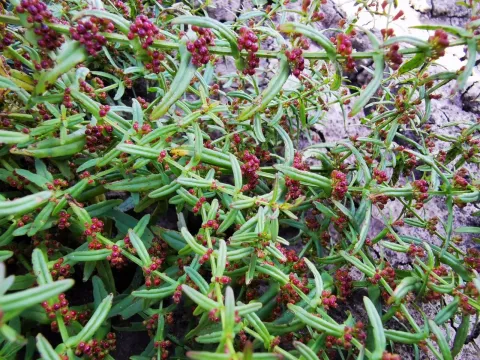
Ammannia auriculata
Ammannia auriculata
Ammannia auriculata is a prominent annual herbaceous species belonging to the Lythraceae family. It is recognized primarily as a problematic weed in irrigated agricultural systems, particularly in rice cultivation globally.
What the section contains
Ammannia auriculata
The plant thrives in saturated soil conditions, wetlands, and shallow water bodies. It requires significant solar exposure and warm temperatures, making it a highly aggressive competitor in tropical and subtropical climatic zones during the primary growing season.
Botanically, Ammannia auriculata is characterized by its distinct sessile leaves with auriculate (ear-like) bases that clasp the stem. The plant produces small, inconspicuous flowers in clusters, ensuring rapid reproduction through prolific seed production.
Soil requirements for this species include high moisture retention and nutrient-rich silt. It is exceptionally well-adapted to anaerobic soil conditions found in flooded fields, which gives it a competitive edge over non-aquatic crop varieties.
Successful management requires strict control of water levels. Proper land leveling before planting helps maintain uniform water depth, which can suppress the germination of weed seeds by creating conditions unfavorable for their initial establishment.
The primary threat posed by Ammannia auriculata is its role as a major competitor with rice for essential resources such as nitrogen, phosphorus, and light. If left unmanaged, its rapid spread can lead to significant reductions in harvest yields.
Regarding pest and disease pressure, this plant acts as an alternative host for various pathogens and insects that can negatively affect commercial crops. Fungal infections found on these weeds often serve as a reservoir for diseases that migrate to the main crop.
Chemical control is often necessary, involving the application of selective herbicides during the early stages of crop development. Precision spraying is recommended to minimize environmental impact while maximizing the efficacy of the treatment.
Integrated Weed Management (IWM) strategies involve using competitive crop cultivars that can shade out the weed seedlings. Rotating rice with dry-land crops can also significantly reduce the soil seed bank of this species over time.
Continuous monitoring and early detection are crucial. Once the plant enters the flowering stage, the effectiveness of many control measures decreases, and the potential for long-term field infestation increases exponentially due to seed dispersal.