
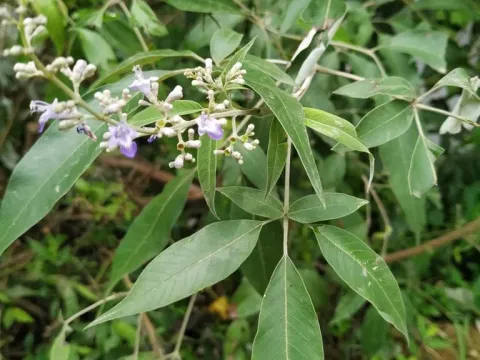
Vitex micrantha
Vitex micrantha
Vitex micrantha is a tropical tree species belonging to the Lamiaceae (mint) family, native primarily to the humid rainforest ecosystems of South America.
What the section contains
Vitex micrantha
The species thrives in warm tropical climates, requiring consistent temperatures throughout the year to maintain its biological development and biomass accumulation.
Cultivation requires deep, well-drained, fertile soil. Water management is essential, as the species demands moist conditions but cannot tolerate waterlogged soils, which lead to root distress.
In terms of light, the tree is adapted to high light conditions, though it often begins its life cycle in the understory where it benefits from filtered sunlight.
Agricultural practices should prioritize the maintenance of soil organic matter, as the plant relies on a healthy rhizosphere to support its long-term growth and structural integrity.
The primary economic value of Vitex micrantha is derived from its timber, which is known for its durability and natural resistance to decay in humid environments.
Productivity is measured by the growth rate of the main trunk and the density of the wood, which can be optimized through selective breeding and silvicultural management.
While often used in local timber production, the species also serves an ecological role in reforesting tropical areas and improving soil stability in vulnerable regions.
The tree produces small drupes that facilitate natural regeneration, though seed collection for nursery propagation requires careful timing to ensure viability.
The annual yield of biomass is influenced by precipitation patterns, making this crop sensitive to the fluctuations of tropical rainy and dry seasons.
The species is susceptible to various fungal pathogens that flourish in high-humidity environments, potentially causing leaf spot and stem infections.
Insect pests, including wood-boring beetles, represent a significant threat to tree health, especially when plantations are not managed with proper thinning and monitoring.
Weed competition in the early establishment phase is a critical issue, as fast-growing tropical vines can easily suppress the growth of young Vitex seedlings.
Poor soil aeration remains a constant threat, often leading to physiological disorders that reduce the tree's resilience to secondary attacks by pests or pathogens.
Effective management requires integrated pest control measures, focusing on early detection of infestations and maintaining optimal tree vigor through balanced nutrient levels.