
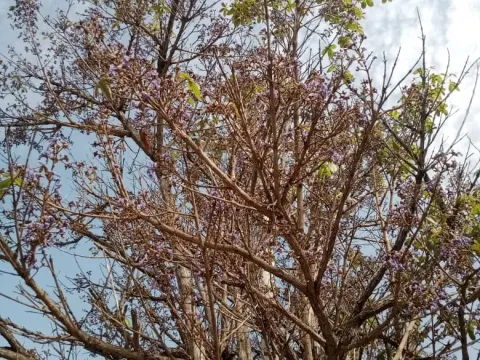
Vitex gigantea
Vitex gigantea
Vitex gigantea is a robust tree species belonging to the Lamiaceae family, primarily native to the tropical forests of South America where it thrives in high-humidity environments.
What the section contains
Vitex gigantea
Successful cultivation of this species requires well-draining, nutrient-rich soils with a neutral pH, as the plant is highly sensitive to waterlogging which can damage its deep root system.
The plant demonstrates a strong preference for warm tropical climates and requires consistent temperatures throughout the year to maintain its rapid vegetative growth cycle.
Agricultural management involves regular moisture control and the application of fertilizers high in nitrogen and potassium during the peak growth months to support strong wood development.
Growers should ensure that planting sites receive adequate sunlight exposure, though providing light shade for young specimens is essential to prevent physiological stress caused by intense direct heat.
The crop is prone to various fungal infections, particularly those affecting the root and lower trunk areas if soil drainage is not properly maintained throughout the wet season.
Insect pests such as leaf miners and scale insects represent a significant threat to the foliage, necessitating regular monitoring and integrated pest management strategies to protect the tree canopy.
Maintaining proper spacing between individual trees is a critical prophylactic measure to improve airflow and reduce the humidity levels that facilitate the rapid spread of airborne fungal spores.
Sanitation practices, including the removal of dead or diseased plant tissue, are vital to eliminate potential breeding grounds for pathogens that could compromise the entire tree plantation.
Early identification of pest infestations through periodic scouting of the leaves allows for targeted interventions, reducing the need for broad-spectrum chemical applications and preserving local biodiversity.