
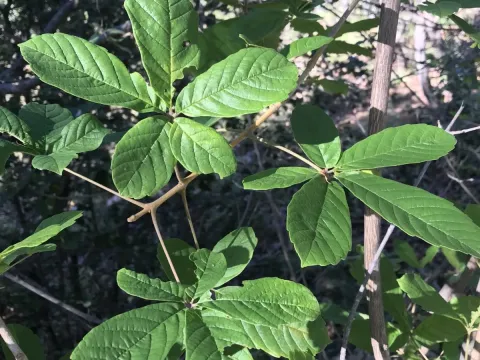
Vitex ferruginea
Vitex ferruginea
Vitex ferruginea is a plant species belonging to the Lamiaceae family, primarily distributed in tropical regions. It is recognized for its unique biological properties and its adaptation to warm climates where high humidity is maintained throughout the year.
What the section contains
Vitex ferruginea
The crop requires consistent tropical or subtropical temperature conditions, typically ranging between 20°C and 30°C. Frost is detrimental to the plant, and therefore, cultivation in temperate zones is strictly limited to greenhouses or controlled indoor environments.
Soil requirements for Vitex ferruginea involve well-drained, fertile substrates with a slightly acidic to neutral pH. Adequate aeration is crucial to prevent root rot, and the inclusion of organic matter in the soil significantly improves growth rates.
In terms of light exposure, this species prefers bright, indirect sunlight. Excessive exposure to direct harsh sunlight can cause leaf scorching, while insufficient light leads to stunted growth and reduced vigor in the canopy development.
Proper agronomic management involves consistent moisture levels in the soil, preventing both complete desiccation and waterlogging. Regular fertilization with balanced nutrient complexes ensures healthy development and foliage density during the primary growing season.
Harvesting strategies for Vitex ferruginea depend on the intended commercial use, such as medicinal extraction or timber production. Leaf collection should be performed using selective pruning to promote future growth and sustainability.
For medicinal purposes, the harvest timing is synchronized with the peak concentration of secondary metabolites within the leaves. Proper post-harvest handling is necessary to ensure the phytochemical stability of the plant material.
Timber utilization requires careful harvesting of mature specimens to ensure grain quality. The wood is valued for its mechanical properties, making it a sustainable choice for specific artisan furniture or construction applications.
Seed collection involves monitoring the maturation of fruits during the late season. Collecting seeds when they reach full maturity is essential for achieving optimal germination rates in subsequent planting cycles.
Post-harvest processing involves sorting, cleaning, and drying raw materials in temperature-controlled facilities. Maintaining low moisture content during storage prevents degradation and preserves the quality of the harvested yield for export or local use.