
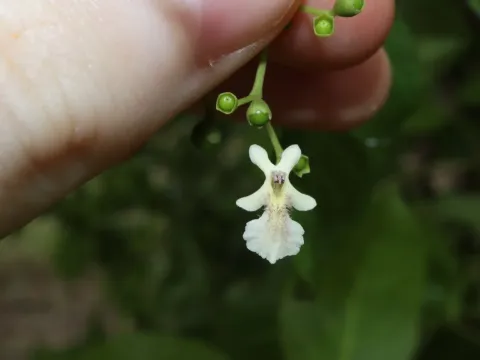
Vitex glabrata
Vitex glabrata
The propagation of Vitex glabrata is primarily achieved through seed germination or vegetative cuttings, which is a common practice in nursery management.
What the section contains
Vitex glabrata
Seeds require a period of stratification to break dormancy and ensure a higher germination rate when planted in controlled nursery conditions.
Sowing should be performed in the spring season when the soil temperature consistently remains within the optimal range for root development.
When using cuttings, growers select healthy semi-hardwood stems to ensure the plant establishes a strong and vigorous root system quickly.
Providing a consistent environment with high humidity and stable temperatures is crucial for the successful propagation of this woody species.
Vitex glabrata, a member of the Lamiaceae family, is native to tropical and subtropical regions, thriving in warm and humid environments.
The plant demonstrates a strong preference for full sun exposure, which is necessary to promote healthy vegetative growth and abundant flowering.
Soil requirements include well-drained, fertile substrates that prevent waterlogging, as the root system is sensitive to excessive moisture.
Regular irrigation is essential during the early stages of the plant's life, although it shows moderate drought tolerance once fully established.
Effective agrotechnical management involves annual pruning to maintain a desirable tree shape and improve the overall airflow within the crown.
Like many trees in this family, Vitex glabrata may be susceptible to various fungal pathogens if planted in areas with poor drainage and high humidity.
Common pests include aphids and spider mites, which can cause significant damage to the young leaves and shoots during the peak growing season.
Regular monitoring of the foliage allows for early detection of pest infestations, enabling targeted and environmentally safe control measures.
The use of integrated pest management practices helps maintain the health of the tree without relying heavily on synthetic chemical pesticides.
Good cultural practices, such as proper spacing and cleaning of plant debris, significantly reduce the risk of disease outbreaks in the orchard.
The harvesting process focuses on collecting the fruits and leaves of Vitex glabrata, which are highly valued for their bioactive compounds.
Harvesting is typically scheduled for the period when the fruits reach full maturity, indicated by a characteristic change in their appearance.
Manual harvesting is the standard method, ensuring that the integrity of the collected material is preserved throughout the entire process.
Drying the harvested parts must be carried out in a controlled environment away from direct sunlight to preserve the volatile essential oils.
Proper post-harvest handling, including sorting and moisture-controlled storage, is vital to ensure the final product meets high quality standards.