
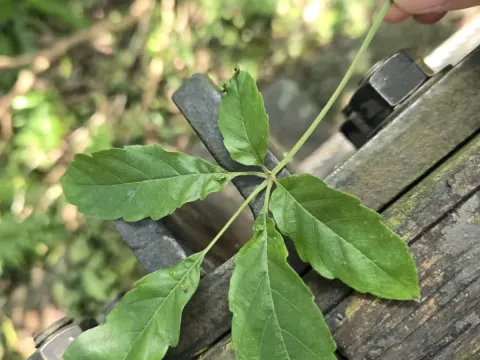
Vitex quinata
Vitex quinata
Vitex quinata is a tree belonging to the Lamiaceae family. It is recognized for its adaptability to tropical environments and plays a significant role in local ecosystems where it naturally flourishes.
What the section contains
Vitex quinata
The plant originates from the regions of Southeast Asia, thriving in areas with high rainfall and consistent temperatures. It requires a stable climatic environment to achieve its maximum biomass potential.
The ideal soil for Vitex quinata cultivation is deep, well-draining, and rich in organic matter. Sandy loam or alluvial soils are preferred to ensure that roots receive adequate aeration while maintaining necessary moisture.
As a light-demanding species, the tree performs best under direct sunlight once established. However, young seedlings must be protected from intense heat to prevent transpiration stress and ensure early growth success.
Agricultural management requires regular monitoring of soil nutrient status. Incorporating organic fertilizers and maintaining proper soil structure are essential practices for maximizing the plantation health and wood quality.
Harvesting Vitex quinata for timber is a long-term commitment. Foresters monitor the diameter at breast height and wood density to determine the optimal timing for harvesting, ensuring the timber meets industry standards.
For medicinal purposes, leaves and fruits are harvested seasonally. Hand-picking is the preferred method to avoid damaging the branches and to ensure that only the highest quality botanical material is selected.
Post-harvest processing involves immediate drying to reduce water content and stabilize active ingredients. Controlled temperature environments are necessary to prevent degradation of organic compounds in the raw material.
Sustainable harvesting practices are employed to ensure the longevity of the population. Selective thinning is often used, where only mature individuals are removed to allow younger specimens to occupy the newly available space.
Timber processing includes seasoning and curing to prevent warping. This rigorous process ensures that the wood product maintains its structural integrity and aesthetic value for various carpentry and manufacturing uses.