
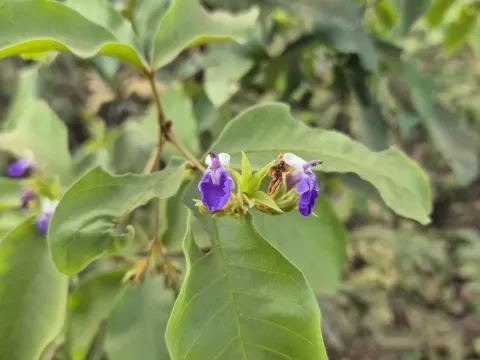
Vitex trifolia
Vitex triflora
Sowing of Vitex trifolia seeds is best initiated in early spring once the soil has warmed sufficiently. Greenhouse propagation is the standard method for establishing vigorous seedlings.
What the section contains
Vitex trifolia
Seed treatment, specifically cold stratification, is highly recommended to improve germination rates and ensure uniformity in the resulting plant population.
Seedlings are transplanted to the field after the danger of frost has passed, ensuring they are spaced appropriately to allow for future canopy development.
A well-draining substrate, rich in organic matter, is essential for the initial stage of growth, as young Vitex plants are highly sensitive to waterlogged conditions.
Consistent moisture levels should be maintained during the germination period, as drying out can cause significant mortality in developing seedlings.
Vitex trifolia thrives in full sun, which is essential for the synthesis of secondary metabolites within its leaves. Sites should be chosen to maximize daily solar exposure.
The crop prefers sandy-loam soils with a neutral pH level. Proper field drainage is paramount, as the root system is susceptible to fungal rot in saturated soils.
The plant requires a warm climate with a long growing season. In cooler regions, cultivation should be limited to protected environments like glasshouses or large tunnels.
Agronomic management involves regular weed control and light cultivation of the soil surface to enhance aeration, which promotes healthier root development.
While mature plants demonstrate moderate drought tolerance, supplemental irrigation during the peak summer months is necessary to achieve optimal leaf yield.
The yield of Vitex trifolia is primarily measured by the total dry weight of harvested leaves and fruits, which form the base of its pharmacological value.
Optimal productivity is typically achieved by the third or fourth year after planting, once the shrubs have developed a robust structural architecture.
Systematic pruning is a key practice for yield maximization, as it stimulates the production of new vegetative growth where the most active compounds are concentrated.
High-yield plantations often utilize integrated nutrient management to sustain long-term fertility without over-stimulating foliage at the expense of oil quality.
Harvesting efficiency is strongly tied to timing, as the active principle content fluctuates significantly based on the plant's phenological stage.
Root rot is the most serious threat, often triggered by excessive rainfall or poor field drainage, necessitating careful selection of planting sites.
Pests such as spider mites and aphids may infest the succulent new growth during hot, dry spells, requiring vigilance and potential intervention with biological agents.
Winter cold poses a significant threat in marginal climates, where freezing soil temperatures can lead to total crop loss if adequate protective measures are not taken.
Fungal diseases like powdery mildew can impact plantation health during humid summers, emphasizing the need for adequate plant spacing to facilitate airflow.
Maintaining a strict crop rotation schedule helps reduce the buildup of soil-borne pathogens, contributing to the overall longevity of the perennial plantation.
Harvesting involves the careful collection of aerial parts, usually performed during the flowering phase when essential oil content reaches its maximum potential.
Manual harvesting or specialized mechanical headers are used to collect the biomass, with care taken to avoid excessive damage to the primary stems of the shrubs.
Immediate post-harvest processing, including drying in shaded, well-ventilated areas, is crucial to prevent the degradation of volatile compounds and active ingredients.
Drying temperatures must be strictly controlled, ideally remaining below 40 degrees Celsius, to preserve the integrity of the plant's chemical profile.
The final dried product should be stored in cool, dry, and dark conditions to ensure long-term stability and compliance with pharmaceutical quality standards.