
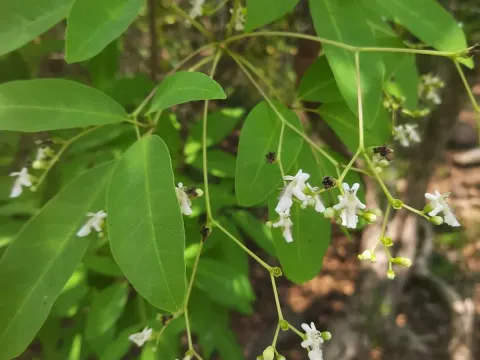
Vitex leucoxylon
Vitex leucoxylon
Vitex leucoxylon is a perennial woody plant belonging to the Lamiaceae family. It typically grows as a deciduous tree or a large shrub, characterized by its distinctive white-backed leaves, which give the species its botanical name.
What the section contains
Vitex leucoxylon
Native to the tropical regions of South and Southeast Asia, this species is commonly found in riparian habitats and riverbanks. It thrives in humid tropical climates where temperatures remain consistently high throughout the year, with no tolerance for freezing conditions.
In terms of agricultural requirements, the plant demands well-draining but moisture-retentive soils. It performs best in fertile loamy substrates enriched with organic matter, reflecting its natural preference for nutrient-rich floodplains.
Agronomic management focuses on moisture regulation. While the plant loves water, it requires careful drainage to prevent anaerobic soil conditions. Sunlight is essential, and young plants should be provided with filtered light until they are well-established.
Economic usage of Vitex leucoxylon is multifaceted. It is utilized in local woodcraft and construction, while its leaves and bark are valued in traditional medicine for their therapeutic potential in treating various ailments, including inflammation and skin disorders.
Common threats to the crop include fungal pathogens that target the roots if the soil drainage is inadequate. Overwatering can lead to rapid decline in plant health, making proper site selection critical.
Pests such as scale insects and aphids may infest the canopy during the dry season. Integrated pest management, focusing on biological controls, is highly recommended to protect the integrity of the medicinal components within the plant tissues.