
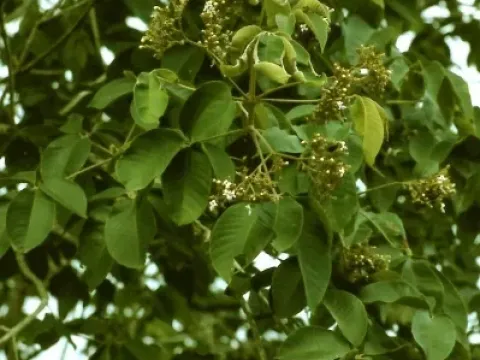
Vitex fischeri
Vitex fischeri
Vitex fischeri is a robust tree species belonging to the Lamiaceae family, naturally occurring in the highland forests and wooded savannas of East Africa. It is a highly valued plant known for its structural utility and ecological resilience in its native habitats.
What the section contains
Vitex fischeri
The species thrives in fertile, well-draining soils with consistent moisture levels during the growing season. While it exhibits tolerance for various soil textures, it shows optimal biomass accumulation in nutrient-rich substrates that allow for deep root penetration.
Climate-wise, Vitex fischeri prefers tropical and subtropical temperatures, requiring significant solar exposure to maintain vigorous growth. It is sensitive to severe frost, which restricts its cultivation range primarily to frost-free or mild-winter climatic zones.
Botanically, the tree is recognized for its palmately compound leaves and fragrant flowers that attract a diverse range of pollinators. The wood harvested from this species is highly regarded for its durability and resistance to decay, serving multiple construction purposes.
In modern agroforestry systems, this plant is used for soil stabilization and as a source of medicinal compounds derived from its leaves and bark. Its versatile nature makes it an excellent candidate for sustainable plantation management in compatible regions.
Root pathogens represent the most significant threat to the health of Vitex fischeri plantations, particularly in areas with poor soil drainage. Implementing proper irrigation management is essential to minimize the risk of soil-borne fungi.
Wood-boring insects are known to attack mature specimens, often compromising the structural integrity of the timber. Regular monitoring and strategic use of natural deterrents are recommended to protect the trunk and bark from infestation.
Foliar diseases, such as leaf spot, can occur during periods of prolonged humidity and limited ventilation. Increasing the spacing between individual trees during planting can significantly reduce the pressure from these moisture-loving pathogens.
Pests such as mites and aphids may occasionally affect younger saplings, causing stunted development. Integrated pest management, including the introduction of beneficial predator insects, is a preferred strategy for organic-oriented forestry.
Maintenance of the cultivation area, including debris removal and soil aeration, plays a critical role in preventing the build-up of overwintering pest populations that could threaten the long-term productivity of the tree crop.