
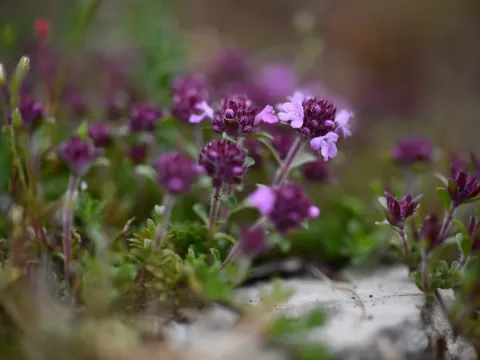
Dolomite thyme
Thymus dolomiticus
Sowing Dolomite thyme in industrial agriculture typically occurs in the spring, once soil temperatures consistently exceed 10-12 degrees Celsius. The optimal planting window is usually from late April to mid-May, allowing plants to establish root systems before peak summer heat.
What the section contains
Dolomite thyme
Autumn sowing is an alternative strategy, taking advantage of natural winter stratification. However, this method requires careful site selection to prevent soil erosion and seed loss during heavy rain or snowmelt periods, as the seeds are exceptionally tiny.
For uniform stand establishment, a nursery-based approach is often preferred. Seeds are started in trays or greenhouse beds about 6 to 8 weeks before the scheduled transplanting date, ensuring seedlings are well-hardened and ready for field conditions.
Seed depth is critical; it should not exceed 0.5 centimeters. Following sowing, lightly firming the soil surface is necessary to ensure optimal seed-to-soil contact, which significantly improves the germination rate in large-scale commercial fields.
Field layouts usually feature row spacings of 45 to 60 centimeters to accommodate mechanized equipment. This spacing is also vital for ensuring proper air circulation and sunlight penetration, both of which are essential for high-quality essential oil accumulation.
Dolomite thyme (Thymus dolomiticus) is a hardy perennial belonging to the Lamiaceae family. It is naturally adapted to rocky, well-draining substrates, which dictates its primary requirements for cultivation in a farming environment.
The crop thrives in sunny, open locations with excellent drainage. Soils should be light, sandy, or loamy with a neutral to slightly alkaline pH. The presence of calcium-rich minerals, as implied by the species name, is highly beneficial for its chemical profile.
This species is exceptionally drought-tolerant once established due to its extensive root system. Supplemental irrigation is only necessary during the first season of growth or during prolonged periods of extreme heat and dryness to maintain productivity.
Fertilizer requirements are modest. Excessive nitrogen application should be avoided, as it promotes lush vegetative growth at the expense of aromatic compound density and reduces the plant's natural cold hardiness during the winter months.
Management practices include regular inter-row cultivation to manage weeds during the establishment phase. Once the stand matures, it forms a dense cover that generally suppresses most competitive weeds, reducing the need for intensive maintenance.
The primary threats to Dolomite thyme are fungal diseases, especially root and crown rots caused by waterlogged soil conditions. Poor drainage is the leading cause of plant loss in commercial plantations, making site selection the most important disease prevention strategy.
Insects like aphids and spider mites can become problematic during hot, dry seasons. These pests feed on succulent tissues, causing stunted growth and a reduction in the overall quality and volume of the harvestable essential oil raw material.
Leafrollers and various noctuid larvae can also cause damage by consuming foliage, which may create entry points for secondary infections. Monitoring programs are essential to detect these pests early and apply non-chemical or selective control measures.
Prevention relies on good agricultural hygiene. This includes removing crop debris from the field, maintaining appropriate plant density to ensure sufficient airflow, and avoiding overhead irrigation where possible to keep the foliage dry.
- Crop rotation every 5 years to break disease cycles.
- Roguing of symptomatic plants to prevent pathogen spread.
- Regular inspection for signs of pest pressure during late spring.