


Reference · Crops
Dead-nettle
Lamium (Tourn.) L.
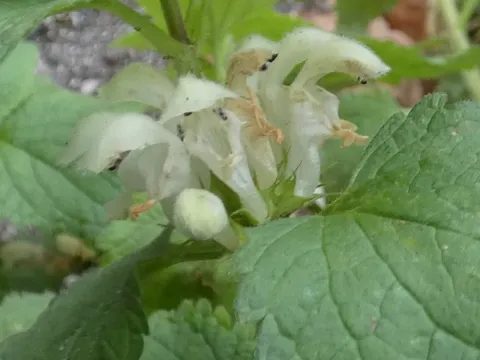
Dead-nettle (Lamium) is a genus of herbaceous plants belonging to the Lamiaceae family. These plants are widely distributed in temperate regions and include both annual and perennial species that are recognized for their ecological utility.
5
items
What the section contains
Marketplace
Products in this section · 6


Dead-nettle
The crop thrives in fertile, well-drained soils that are rich in organic matter. While it is adaptable, it performs best in neutral to slightly acidic soil conditions, which are typical for forest edges and meadow environments.
Regarding climate, Lamium is highly resilient, capable of growing in various levels of sunlight, from full sun to partial shade. This versatility makes it an excellent choice for various cultivation sites, provided the moisture levels are consistent.
Agricultural practice for dead-nettle focuses on soil preparation to ensure aeration. The plants possess a vigorous root system that helps prevent soil erosion, making them useful in areas that require ground cover stabilization.
In terms of хозяйственного использования, the plant is valued for its nectar, making it a favorite for pollinators in early spring. Additionally, certain species are harvested for their therapeutic compounds used in traditional medicine.
Powdery mildew is the most common fungal disease affecting dead-nettle, particularly during periods of high humidity and poor air circulation. Proper spacing between plants is critical to preventing the spread of spores.
Aphids are the primary pests that target Lamium, feeding on the tender new growth. Integrated pest management strategies, such as encouraging natural predators, are often preferred over chemical intervention.
Root rot is a major threat if the plant is grown in compacted or waterlogged soil. Ensuring a proper drainage layer in the planting area significantly reduces the risk of subterranean pathogen development.
Mollusks, such as slugs and snails, can cause significant damage to the foliage during rainy weather. Physical barriers or organic deterrents are effective methods to mitigate these risks in agricultural settings.
Crop monitoring is essential for maintaining health. Regular inspection for chlorosis or spotted leaves allows for early intervention, ensuring the longevity and productivity of the dead-nettle harvest.