
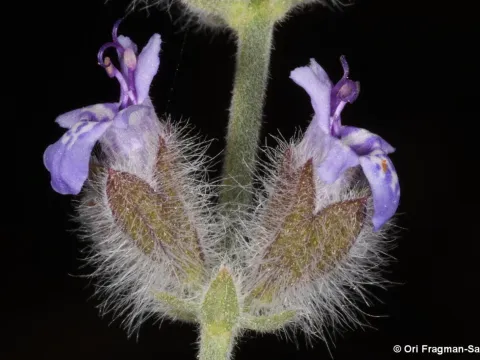
Desert sage
Salvia deserti
Sowing of desert sage is best performed in early spring once soil temperatures reach 10-12 degrees Celsius, ensuring optimal conditions for seedling emergence.
What the section contains
Desert sage
In regions with mild winters, late autumn sowing is feasible, allowing seeds to undergo natural stratification, which enhances the uniformity of germination.
Seeds should be planted at a shallow depth of 1-2 centimeters, as they require adequate light and contact with moist soil to initiate the sprouting process.
Row spacing should be maintained between 45 and 60 centimeters, providing sufficient space for mechanical weeding and preventing competition between plants.
The recommended seeding rate is approximately 6-8 kilograms per hectare, depending on the specific germination vigor of the seed lot used.
Desert sage belongs to the Lamiaceae family and is naturally adapted to arid and semi-desert environments, demonstrating significant drought tolerance.
The crop thrives in full sun exposure, which is critical for maximizing the synthesis of essential oils and maintaining high-quality phytochemical profiles.
Ideal soil conditions include well-draining sandy or loamy soils, which prevent waterlogging and facilitate the aeration of the root system.
The plant is highly resistant to extreme temperature fluctuations, though it requires protection from severe cold during the sensitive seedling establishment phase.
A neutral to slightly alkaline soil pH is preferred for this species, mimicking the natural mineral composition of its native habitat in arid regions.
Yield capacity of desert sage typically ranges from 1.5 to 3 tons of dry biomass per hectare, depending on irrigation management and soil fertility levels.
The maximum concentration of essential oils is achieved during the full bloom phase, which serves as the primary indicator for the start of the harvest.
Regular maintenance, including shallow cultivation between rows to eliminate weed competition, is essential for reaching maximum potential crop yields.
This crop is primarily harvested for the pharmaceutical industry and the production of high-value essential oils utilized in fragrance and cosmetic industries.
As a perennial crop, desert sage provides consistent yields for several consecutive years, offering long-term stability for commercial agricultural operations.
Powdery mildew is a common fungal disease that can affect plantations, particularly under conditions of high humidity and poor air circulation within the canopy.
Root rot often occurs if the soil drainage is inadequate, leading to water accumulation around the crown and subsequent plant failure in saturated areas.
Various insects, such as beetles and hemipteran pests, can cause physical damage to leaves and flowers, which reduces both the yield and quality of the raw material.
Integrated pest management, including crop rotation and the removal of host weeds, is the most effective way to prevent significant damage in sage fields.
Proactive monitoring of the crop, especially during the humid spring months, is essential for the early detection and management of potential outbreaks.
Harvesting should occur when the desert sage reaches its peak flowering stage, ensuring the highest volatile oil content and overall product efficacy.
Plants are cut at approximately 10-15 centimeters above the soil surface, allowing the root stock to recover effectively for subsequent seasonal growth.
Immediate transport of the harvested material to drying facilities is crucial to prevent overheating and degradation of the plant's delicate aromatic compounds.
Drying is conducted in specialized chambers at temperatures not exceeding 45 degrees Celsius to retain essential oils and maintain a vibrant leaf color.
After reaching the desired moisture content, the final product is cleaned, sorted, and packed in breathable materials to ensure quality during storage.